There’s something inherently comforting about a plate of cabbage rolls—tender parcels nestled in a savory sauce, promising warmth and satisfaction with every bite. But let’s be honest: traditional cabbage rolls, while delicious, can sometimes feel heavy, sitting in your stomach long after the meal is finished. That’s where these Napa cabbage rolls come in to revolutionize your dinner rotation.
Unlike their heartier cousins made with green cabbage, Napa cabbage rolls offer a delicately light texture that practically melts in your mouth. The leaves are naturally tender, with a slight sweetness and none of the tough, fibrous chew that can sometimes plague traditional cabbage rolls. This means no lengthy boiling times, no wrestling with stubborn leaves that refuse to cooperate—just a streamlined, accessible cooking experience that delivers restaurant-quality results right in your own kitchen.
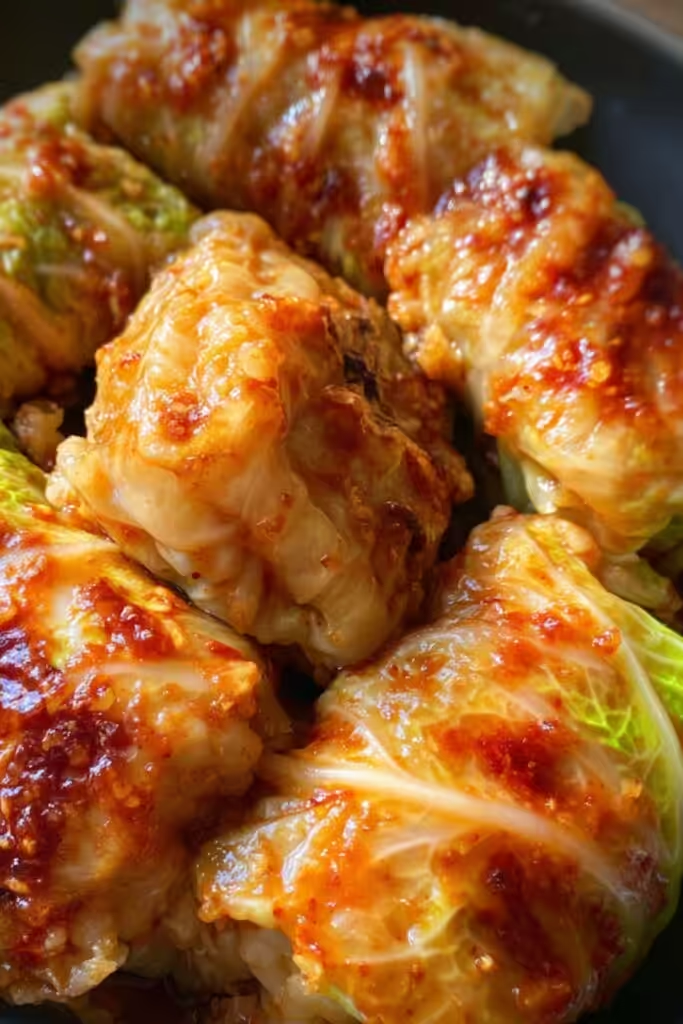
What makes this recipe truly special is its versatility. The filling, a harmonious blend of lean protein, aromatic herbs, and wholesome grains, stays wonderfully moist as it cooks inside its cabbage cocoon, absorbing the surrounding sauce while releasing its own savory juices. The result is a complete meal that feels both nourishing and indulgent, perfect for busy weeknights when you want something wholesome without spending hours at the stove, yet elegant enough for weekend entertaining when you want to impress.
Whether you’re a seasoned cook looking to expand your repertoire or someone trying cabbage rolls for the first time, this recipe guides you through every step with clarity and confidence. Let’s create something beautiful together.
Why This Recipe Works: The Napa Cabbage Advantage
The Science of Tenderness
Napa cabbage, also known as Chinese cabbage, possesses a uniquely delicate leaf structure that sets it apart in the culinary world. Its leaves are crinkled and thin, with prominent white stems that become exceptionally tender when cooked. This anatomy makes Napa cabbage the ideal candidate for rolling—the leaves bend easily without cracking, wrap snugly around fillings, and cook through evenly without requiring extensive preprocessing.
Flavor Development Through Technique
The magic of these cabbage rolls lies in how the ingredients interact during cooking. As the rolls simmer gently in a savory tomato-based sauce, the cabbage releases its natural sweetness and moisture, which then mingles with the filling’s herbs and aromatics. This creates a self-basting environment where every component enhances the others. The filling stays perfectly moist, the cabbage becomes silky-soft, and the sauce thickens slightly from the released starches and juices, creating a harmonious final dish.
Efficiency in Preparation
Traditional cabbage roll recipes often demand a large pot of boiling water and careful leaf-by-leaf peeling. With Napa cabbage, you can separate the leaves with minimal effort after a brief steaming or microwave treatment. This time-saving approach means you’re more likely to make this dish on a regular basis, transforming it from a special-occasion project into a beloved weeknight staple.
Key Ingredients for Success
The Cabbage: Selecting and Preparing Napa Cabbage
Choose a medium-to-large head of Napa cabbage, looking for one that feels heavy for its size with crisp, unblemished leaves. The leaves should be tightly packed and pale green to yellow in color, with no signs of wilting or browning at the edges. A good-quality Napa cabbage will have leaves that snap when bent, indicating freshness and optimal texture for rolling.
The Filling: Building Layers of Flavor
Protein Base: Ground turkey or chicken provides a lean foundation that complements the cabbage’s lightness beautifully. For a vegetarian version, finely chopped mushrooms combined with cooked lentils create a meaty texture without the meat. The key is using ingredients that will hold together during cooking while remaining tender.
Aromatics and Herbs: Finely diced onion and minced garlic form the aromatic backbone, while fresh herbs like dill and parsley add brightness and complexity. Dill, in particular, has an affinity for cabbage and elevates the entire dish with its distinctive yet gentle flavor.
Grains and Binders: Cooked rice—whether white, brown, or wild—adds substance and helps bind the filling. The grains absorb flavorful juices during cooking, plumping up and contributing to the rolls’ satisfying texture. For a grain-free option, cauliflower rice works beautifully, though you’ll want to squeeze out excess moisture before incorporating it.
The Sauce: Creating the Perfect Simmering Liquid
A simple yet deeply flavorful sauce does double duty in this recipe: it provides the cooking medium and becomes the finishing sauce. Crushed tomatoes form the base, offering sweetness and acidity that cut through the richness of the filling. Vegetable or chicken stock adds depth, while a touch of brown sugar or honey balances the tomatoes’ acidity. Smoked paprika introduces a subtle warmth that complements the cabbage without overwhelming it.
Step-by-Step Instructions for Perfect Napa Cabbage Rolls
Preparing the Cabbage Leaves
Begin by removing the core from your Napa cabbage. Make a shallow V-shaped cut around the base of the stem and remove it. Gently separate 12 to 15 large outer leaves, being careful not to tear them. You’ll need about 10 to 12 rolls, but having extra leaves ensures you can choose the best ones.
Place the leaves in a large microwave-safe dish with 2 tablespoons of water. Cover and microwave on high for 3 to 4 minutes, until the leaves are wilted and pliable. Alternatively, you can steam them in a basket over simmering water for about 5 minutes. Once cooled slightly, use a small knife to trim the thickest part of the stem flush with the leaf—this makes rolling easier and ensures even cooking.
Crafting the Filling
In a large bowl, combine your chosen protein with cooked rice, finely diced onion, minced garlic, chopped fresh dill and parsley, salt, pepper, and a beaten egg or flax egg to help bind everything together. Use your hands to mix gently but thoroughly—overmixing can lead to dense, tough rolls. The mixture should hold together when pressed but still feel light and airy.
For the most flavorful results, let the filling rest for 10 to 15 minutes before assembling. This brief pause allows the herbs to release their essential oils and the seasonings to penetrate the protein.
Assembling the Rolls
Lay a prepared cabbage leaf on your work surface with the stem end facing you. Place about ⅓ cup of filling (adjust based on leaf size) near the stem end. Fold the stem end over the filling, then fold in the sides, and roll tightly but gently toward the tip of the leaf. The goal is a neat package that allows a little room for expansion as the rice absorbs liquid during cooking. Place each roll seam-side down in your baking dish.
Creating the Sauce and Baking
In a medium bowl, whisk together crushed tomatoes, stock, a touch of sweetener, smoked paprika, and additional salt and pepper to taste. Pour this sauce over and around the cabbage rolls, ensuring they’re mostly submerged but still visible.
Cover the baking dish with a lid or aluminum foil and bake in a preheated 375°F (190°C) oven for 45 minutes. Then remove the cover and bake for an additional 15 minutes, allowing the sauce to thicken slightly and the tops of the rolls to develop a light caramelization. The rolls are ready when a knife inserted into the center meets no resistance and the filling is cooked through.
Recipe Variations and Substitutions
Meatless and Vegan Options
Transform these rolls into a plant-based centerpiece by substituting the ground meat with an equal mixture of finely chopped cremini mushrooms and cooked green lentils. The mushrooms provide umami depth while the lentils offer hearty texture. Use a flax egg (1 tablespoon ground flaxseed mixed with 3 tablespoons water, rested for 5 minutes) as the binder, and ensure your stock is vegetable-based. The result is just as satisfying and remarkably flavorful.
Grain-Free and Low-Carb Adaptation
For those following a grain-free or lower-carbohydrate lifestyle, replace the rice with riced cauliflower. After processing fresh cauliflower into rice-sized pieces, steam or sauté it briefly to remove raw edge, then press it firmly in a clean kitchen towel to extract as much moisture as possible. This prevents watery filling and ensures the rolls hold their shape. You may need to add an extra egg or flax egg to help with binding.
Global Flavor Inspirations
Mediterranean Style: Add crumbled feta cheese, chopped Kalamata olives, and dried oregano to the filling. Use a sauce of crushed tomatoes with garlic and a pinch of cinnamon for warmth.
Asian-Inspired: Incorporate grated ginger, finely chopped water chestnuts, and a splash of tamari into the filling. Serve with a dipping sauce made from tamari, rice vinegar, and a touch of sesame oil rather than a tomato-based sauce.
Southwestern Flair: Mix ground turkey with corn kernels, chopped cilantro, and a diced jalapeño (seeded for less heat). Use a sauce of enchilada-style tomato sauce with ground cumin and chili powder.
Ingredient Substitutions Guide
- Protein swaps: Ground pork, beef, lamb, or plant-based crumbles all work beautifully
- Grain alternatives: Quinoa, barley, farro, or millet can replace rice—adjust cooking times as needed
- Herb flexibility: Not a fan of dill? Use extra parsley, add fresh mint, or try tarragon for a different dimension
- Tomato-free sauce: Create a broth-based sauce using vegetable stock, a touch of tamari, and fresh herbs for a lighter option
- Dairy additions: A spoonful of sour cream or Greek yogurt stirred into the sauce before serving adds luxurious richness
Tips for Achieving Ideal Texture and Flavor
The Art of Gentle Rolling
Resist the urge to pack the filling too tightly. The rice and protein need room to expand as they absorb liquid during cooking. Rolls that are too tight may burst, while gently formed rolls maintain their shape and cook evenly.
Managing Moisture Levels
If your filling seems too wet, add a tablespoon of breadcrumbs or cooked rice to absorb excess liquid. If it’s too dry, a splash of stock or an extra beaten egg will improve cohesion. The perfect filling should hold together when squeezed but still feel moist and tender.
Sauce Consistency Wisdom
The sauce should be abundant enough to come about halfway up the sides of the rolls. This ensures even cooking and keeps the rolls moist without making them soggy. If your sauce reduces too much during baking, add a splash of hot stock or water to maintain the proper level.
Temperature and Resting
Allow the finished cabbage rolls to rest for 10 minutes after removing them from the oven. This brief rest allows the juices to redistribute throughout the filling, making every bite perfectly moist and flavorful. It also makes serving easier, as the rolls will hold together better.
Serving Suggestions and Accompaniments
These Napa cabbage rolls are substantial enough to stand alone as a complete meal, but they also pair beautifully with complementary sides. A dollop of sour cream or Greek yogurt adds cool tanginess that balances the rich tomato sauce. Fresh herbs sprinkled over the top just before serving brighten the entire dish.
For a complete spread, consider serving with:
- Crusty bread or dinner rolls for soaking up every drop of the savory sauce
- A simple green salad with lemon vinaigrette to add freshness and contrast
- Roasted vegetables like asparagus, Brussels sprouts, or carrots for additional color and nutrition
- Mashed potatoes or creamy polenta to create an extra-hearty meal
- Steamed rice or quinoa to catch any sauce that escapes the rolls
Storage and Make-Ahead Strategies
Refrigeration and Reheating
Assembled but unbaked cabbage rolls can be refrigerated, covered tightly, for up to 24 hours. Add about 10 minutes to the covered baking time if starting from cold. Baked rolls keep well in the refrigerator for 3 to 4 days and often taste even better the next day as flavors continue to meld.
Reheat gently in a covered dish in a 350°F oven until warmed through, or microwave individual portions with a damp paper towel to maintain moisture.
Freezing for Future Meals
These cabbage rolls freeze exceptionally well. For best results, freeze them in their baking dish before baking, or freeze fully baked and cooled rolls in airtight containers. To freeze unbaked rolls, pour the sauce over them, cover tightly with foil, and freeze for up to 3 months. Thaw overnight in the refrigerator before baking according to recipe instructions, adding approximately 15 minutes to the covered baking time.
Baked rolls can be frozen in portion-sized containers for quick individual meals. Reheat directly from frozen in a covered dish at 350°F for about 30 minutes, or until heated through.
Frequently Asked Questions
Can I use regular green cabbage instead of Napa cabbage?
Absolutely. Green cabbage works well but requires longer preprocessing. You’ll need to core the head and simmer it whole in boiling water for 8 to 10 minutes, carefully peeling off softened leaves as they become pliable. The leaves are thicker, so rolling requires a gentler touch, and cooking times may need to increase by 10 to 15 minutes.
Why did my cabbage rolls fall apart during cooking?
This typically happens for one of three reasons: the filling was too loose (add more binder next time), the rolls were packed too tightly and burst, or the sauce wasn’t sufficient to keep them moist. Ensure your sauce comes at least halfway up the sides of the rolls and handle them gently when placing in the dish.
Can I make this recipe in a slow cooker?
Yes! Arrange the rolls in your slow cooker, pour sauce over them, and cook on low for 4 to 6 hours or on high for 2 to 3 hours. The low, slow cooking produces exceptionally tender results. Check at the minimum time, as slow cookers vary in temperature.
How do I prevent the cabbage leaves from tearing?
Gentle handling is key. If a leaf tears, you can double-wrap it with another smaller leaf or patch the tear with a piece of trimmed stem. Using leaves of similar size and not overfilling also reduces tearing risk.
What can I serve with cabbage rolls for a crowd?
These rolls are excellent for entertaining because they can be prepared ahead. Serve them family-style in a large baking dish with sides that can be made in advance, like roasted potatoes, a hearty grain salad, or crusty bread. A simple dessert completes the meal without requiring last-minute effort.
Final Thoughts: Your New Go-To Dinner Recipe
These Napa cabbage rolls represent everything I love about home cooking—they’re nourishing, deeply satisfying, and adaptable to whatever ingredients you have on hand. The lightness of the cabbage paired with the savory filling creates a meal that feels both comforting and modern, familiar yet exciting.
I hope this recipe becomes a treasured part of your cooking repertoire, whether you’re making it for a quiet family dinner or sharing it with friends at a gathering. Remember that cooking is about more than following instructions—it’s about adjusting, tasting, and making each dish your own. Don’t be afraid to experiment with the variations, swap in your favorite herbs, or adjust the seasonings to suit your palate.
When you make these cabbage rolls, I’d love to hear how they turn out. Did you try a variation that became an instant favorite? Did your family request them again the following week? Share your experience in the comments below—your insights might inspire another cook to try something new. And if you’re feeling generous, rating the recipe helps others discover just how wonderful homemade cabbage rolls can be.
Happy cooking, and here’s to many delicious meals shared around your table.
Looking for more comforting dinner ideas? Try our Stuffed Bell Peppers with Quinoa and Black Beans, Hearty Lentil and Vegetable Soup, or One-Pan Lemon Herb Chicken and Rice for more wholesome, family-friendly meals that deliver on flavor without complicated techniques.


Napa Cabbage Rolls with Savory Tomato Sauce
Ingredients
Equipment
Method
- Preheat oven to 375°F (190°C). Remove core from Napa cabbage and carefully separate 12-15 large outer leaves. Place leaves in a large microwave-safe dish with 2 tablespoons water. Cover and microwave on high for 3-4 minutes until wilted and pliable. Alternatively, steam over simmering water for 5 minutes. Let cool slightly, then trim thick stem portion flush with leaf for easier rolling.
- In a large bowl, combine ground turkey, cooked rice, diced onion, minced garlic, fresh dill, parsley, beaten egg, salt, and pepper. Mix gently with your hands until just combined. Avoid overmixing to keep filling tender. Let mixture rest for 10 minutes to allow flavors to meld.
- Place about ⅓ cup of filling near the stem end of a prepared cabbage leaf. Fold stem end over filling, fold in sides, and roll tightly but gently toward the tip. Place seam-side down in a 9×13-inch baking dish. Repeat with remaining leaves and filling.
- In a medium bowl, whisk together crushed tomatoes, stock, brown sugar, smoked paprika, and additional salt and pepper to taste. Pour sauce over and around cabbage rolls, ensuring they are mostly submerged.
- Cover baking dish with lid or aluminum foil. Bake for 45 minutes. Remove cover and bake for an additional 15 minutes, until sauce has thickened slightly and rolls are tender. Let rest 10 minutes before serving. Garnish with fresh herbs and a dollop of sour cream if desired.