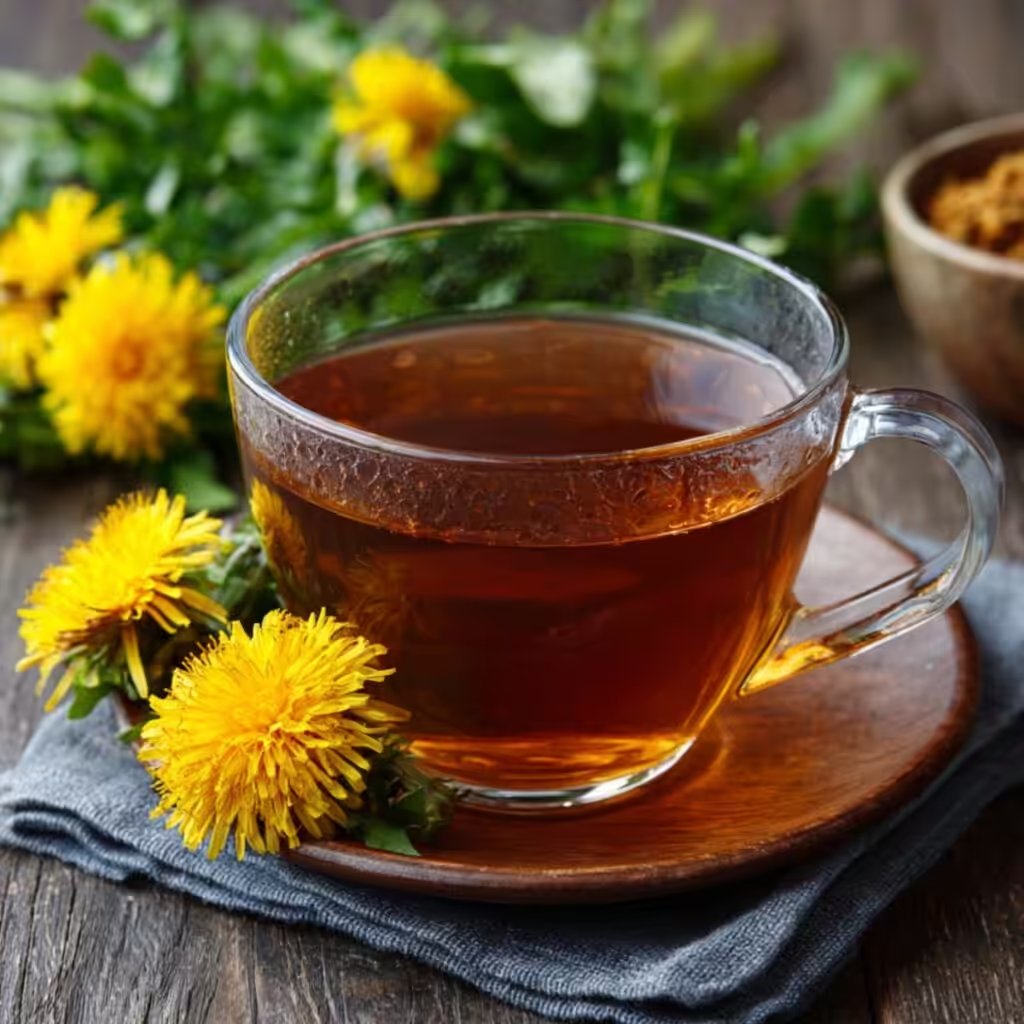
If you are searching for a warm, earthy, and deeply satisfying beverage that supports your body’s natural rhythms, look no further. As a culinary herbalist and recipe developer, I have spent years exploring the intersection of flavor and wellness, and I can confidently say that a homemade dandelion root tea recipe is one of the most rewarding and accessible ways to bring the benefits of the garden into your daily routine. This isn’t just another herbal tea—it’s a rich, roasted brew that echoes the depth of coffee without the caffeine, making it a perfect choice for those seeking a gentle, naturally detoxifying companion.

Dandelion root has been used for centuries in traditional medicine and culinary traditions around the world. Often dismissed as a pesky weed, the dandelion is actually a powerhouse of nutrients and bioactive compounds. When harvested, dried, and roasted, its roots transform into a caramel-like, nutty infusion that is both grounding and uplifting. Whether you are looking to support liver health, improve digestion, or simply reduce your caffeine intake, this tea offers a delicious, all-natural solution.
In this guide, I will walk you through everything you need to know to create your own homemade dandelion root tea, from selecting and preparing the roots to roasting them to perfection. We will explore the science behind its detoxifying properties, discuss flavor variations, and ensure that the process is simple enough for a beginner yet rewarding for an experienced forager. This recipe contains no alcoholic ingredients and is designed to be a pure, wholesome addition to your wellness toolkit.
Why Make Your Own Dandelion Root Tea?
Store‑bought dandelion root tea can be convenient, but nothing compares to the depth of flavor and personal connection you get when you make it yourself. When you roast the roots at home, you control the roast level—from light and floral to dark and bold—allowing you to customize the taste to your preference. Additionally, making your own tea ensures you know exactly what’s in your cup: just pure, organic dandelion root and, if you wish, complementary herbs or spices.
The Naturally Detoxifying Power of Dandelion Root
Dandelion root is renowned for its ability to support the body’s natural detoxification pathways, particularly the liver and kidneys. It contains compounds such as inulin (a prebiotic fiber), sesquiterpene lactones, and various antioxidants that encourage bile production and gentle diuresis. This helps the body eliminate waste more efficiently, promoting a feeling of lightness and clarity. Unlike harsh detox protocols, dandelion root tea works gently and nutritively, making it suitable for regular use.
Selecting and Preparing Dandelion Roots
The first step in creating an exceptional tea is sourcing high‑quality roots. You have two options: harvest your own or purchase dried organic roots.
Foraging Your Own
If you choose to forage, look for dandelion plants (Taraxacum officinale) growing in areas free from pesticides, herbicides, and heavy traffic. Early spring or late fall are the best times to harvest, as the roots are plump and packed with stored nutrients. Use a digging fork to gently loosen the soil around the plant and pull up the entire taproot. Scrub the roots thoroughly under cool water to remove all dirt, then pat them dry.
Using Dried Roots
For convenience, you can purchase organic, dried dandelion root from a reputable herb supplier. If using dried roots, you can skip the initial cleaning and chopping steps, but you will still need to roast them to develop that signature coffee‑like flavor.
The Roasting Process: Unlocking Deep Flavor
Raw dandelion root is somewhat bland and starchy. Roasting is the transformative step that caramelizes the natural sugars, creating a rich, nutty, and slightly bittersweet profile. It also makes the inulin more digestible for some individuals. Here’s how to do it:
- Chop the Roots: Fresh roots should be chopped into uniform, small pieces (about ¼‑inch) to ensure even roasting. Dried roots can be used whole or roughly broken.
- Spread on a Baking Sheet: Arrange the chopped roots in a single layer on a rimmed baking sheet.
- Roast Low and Slow: Roast in a preheated oven at 300°F (150°C) for 30–45 minutes, stirring every 10–15 minutes. The roots are ready when they are dark brown, fragrant (like coffee or chocolate), and have lost all moisture. Watch carefully toward the end to avoid burning.
How to Brew the Perfect Cup
Once your roots are roasted and cooled, you can store them in an airtight jar. To brew a cup of tea:
- Use 1 tablespoon of roasted, chopped roots per 8 ounces of water.
- Bring fresh, filtered water to a boil.
- Pour over the roots and let steep for 10–15 minutes (longer for a stronger brew).
- Strain and enjoy plain or with your favorite add‑ins.
This brewing method extracts the full spectrum of flavors and beneficial compounds.
Homemade Dandelion Root Tea Recipe (Naturally Detoxifying)
Now, let’s put it all together. This recipe gives you the basic method for creating a delicious, roasted dandelion root tea from scratch. It is entirely non‑alcoholic and can be enjoyed hot or iced.
Ingredients
- 2 cups fresh dandelion roots (or 1 cup dried organic dandelion root)
- 4 cups filtered water (for brewing)
- Optional add‑ins: cinnamon stick, fresh ginger slices, lemon peel, honey, or maple syrup
Instructions
1. Clean and Prepare the Roots (if using fresh):
Scrub the fresh dandelion roots under cold running water until completely free of soil. Pat them dry. Chop into small, uniform pieces (about ¼‑inch). If using dried roots, skip to step 2.
2. Roast the Roots:
Preheat your oven to 300°F (150°C). Spread the chopped roots in a single layer on a baking sheet. Roast for 30–45 minutes, stirring every 10 minutes, until the pieces are dark brown and smell deeply roasted. Remove from the oven and let cool completely.
3. Store the Roasted Roots:
Transfer the cooled roasted roots to an airtight glass jar. They will keep for several months in a cool, dark cupboard.
4. Brew the Tea:
For one serving, bring 8 ounces of filtered water to a boil. Place 1 tablespoon of roasted roots in a teapot or mug. Pour the boiling water over the roots. Cover and steep for 10–15 minutes.
5. Strain and Serve:
Strain the tea into a cup. If desired, add a slice of lemon, a cinnamon stick, or a drizzle of honey. Enjoy warm.
6. Iced Version:
To make iced tea, double the amount of roots (2 tablespoons per 8 ounces) and steep as directed. Strain into a pitcher filled with ice. Sweeten lightly if desired.
Recipe Variations & Substitutions
One of the joys of making your own herbal tea is the ability to customize it to your taste and needs. Here are several ways to vary this recipe.
1. Spiced Dandelion Root Tea
Add a cinnamon stick, 3 whole cloves, and a few slices of fresh ginger to the pot while steeping. This creates a warming, chai‑like beverage that is perfect for cold days. You can also add a pinch of cardamom for a floral note.
2. Dandelion Root “Coffee” Blend
For a coffee substitute that closely mimics the flavor of coffee, combine equal parts roasted dandelion root and roasted chicory root. Brew the blend the same way. This combination is rich, dark, and naturally caffeine‑free.
3. Golden Dandelion Tea (Turmeric Blend)
After brewing, whisk in a teaspoon of coconut milk, a pinch of turmeric, and a dash of black pepper. This creates a creamy, anti‑inflammatory version that is both nourishing and soothing.
4. Sweetener Substitutions
While honey and maple syrup are classic choices, you can also use a date syrup, coconut sugar, or stevia if you prefer a lower‑glycemic option. For a sugar‑free version, simply enjoy the tea unsweetened—the roasted notes are naturally satisfying.
5. Herbal Infusion Blends
Combine roasted dandelion root with other herbs to create a custom blend:
- Digestive Aid: Add peppermint or fennel seeds.
- Relaxation: Add chamomile flowers or lemon balm.
- Immune Support: Add elderberries or echinacea root.
Expert Tips for the Best Flavor and Benefits
- Roast in Small Batches: Roasting the roots yourself gives you control over the roast level. A light roast yields a milder, more floral tea; a dark roast produces a bold, coffee‑like brew.
- Don’t Rush the Steep: Steeping for at least 10 minutes is essential to extract the inulin and other beneficial compounds. For a stronger tea, you can steep for up to 20 minutes or even simmer the roots gently on the stovetop for 15 minutes.
- Use Filtered Water: Since dandelion root tea is pure and delicate, using filtered water ensures no off‑flavors from tap water.
- Store Roots Properly: Roasted dandelion root is best stored in an airtight container away from light and moisture. Avoid grinding the roots until you are ready to brew, as ground root loses its flavor faster.
How to Incorporate This Tea into Your Wellness Routine
Dandelion root tea is naturally caffeine‑free, so it can be enjoyed any time of day. Many people find it particularly beneficial in the morning as a coffee alternative or in the evening as a gentle way to wind down while supporting digestion. Because of its detoxifying properties, it can be a wonderful addition to a seasonal cleanse or simply as a daily ritual.
Frequently Asked Questions
Is dandelion root tea safe for everyone?
Dandelion root is generally safe for most people. However, if you have gallbladder issues, are taking diuretics or lithium, or are pregnant or nursing, consult your healthcare provider before adding it to your routine.
Can I use the greens and flowers too?
Absolutely! The leaves and flowers can be used in salads, pestos, or other recipes. For tea, the root is the primary part used for its roasted flavor and detoxifying properties.
How does dandelion root tea taste?
When roasted, dandelion root has a flavor reminiscent of coffee with notes of caramel, nuts, and a slight pleasant bitterness. It is smooth and grounding.
Can I make this tea in a French press?
Yes. Place the roasted roots in a French press, add boiling water, steep for 10–15 minutes, then press and pour. This method makes straining easy.
Beyond the Cup: Creative Uses for Roasted Dandelion Root
Once you’ve mastered the tea, consider using your roasted roots in other ways:
- Ground as a Coffee Substitute: Grind the roasted roots in a spice grinder and brew in a coffee maker or espresso machine.
- Flavoring Desserts: Steep the roots in milk or cream to add a subtle, roasted flavor to puddings, ice creams, or custards.
- Homemade Herbal Syrup: Simmer roasted roots with water and your preferred sweetener to create a syrup for pancakes, cocktails (non‑alcoholic mocktails), or sodas.
Final Thoughts
Making your own homemade dandelion root tea is a simple, satisfying way to connect with nature and support your wellness. With just a few ingredients and a little time, you can create a beverage that is not only delicious but also deeply nourishing. I hope this recipe inspires you to look at the “weeds” in your backyard with new eyes and to enjoy the many gifts they offer.
I’d love to hear how your tea turns out! Leave a comment below to share your experience, ask questions, or let us know which variation you tried. If you found this recipe helpful, please give it a 5‑star rating and share it with a friend who would enjoy a naturally detoxifying, caffeine‑free brew.
For more herbal recipes and wellness tips, explore our herbal tea collection and foraged food guides.
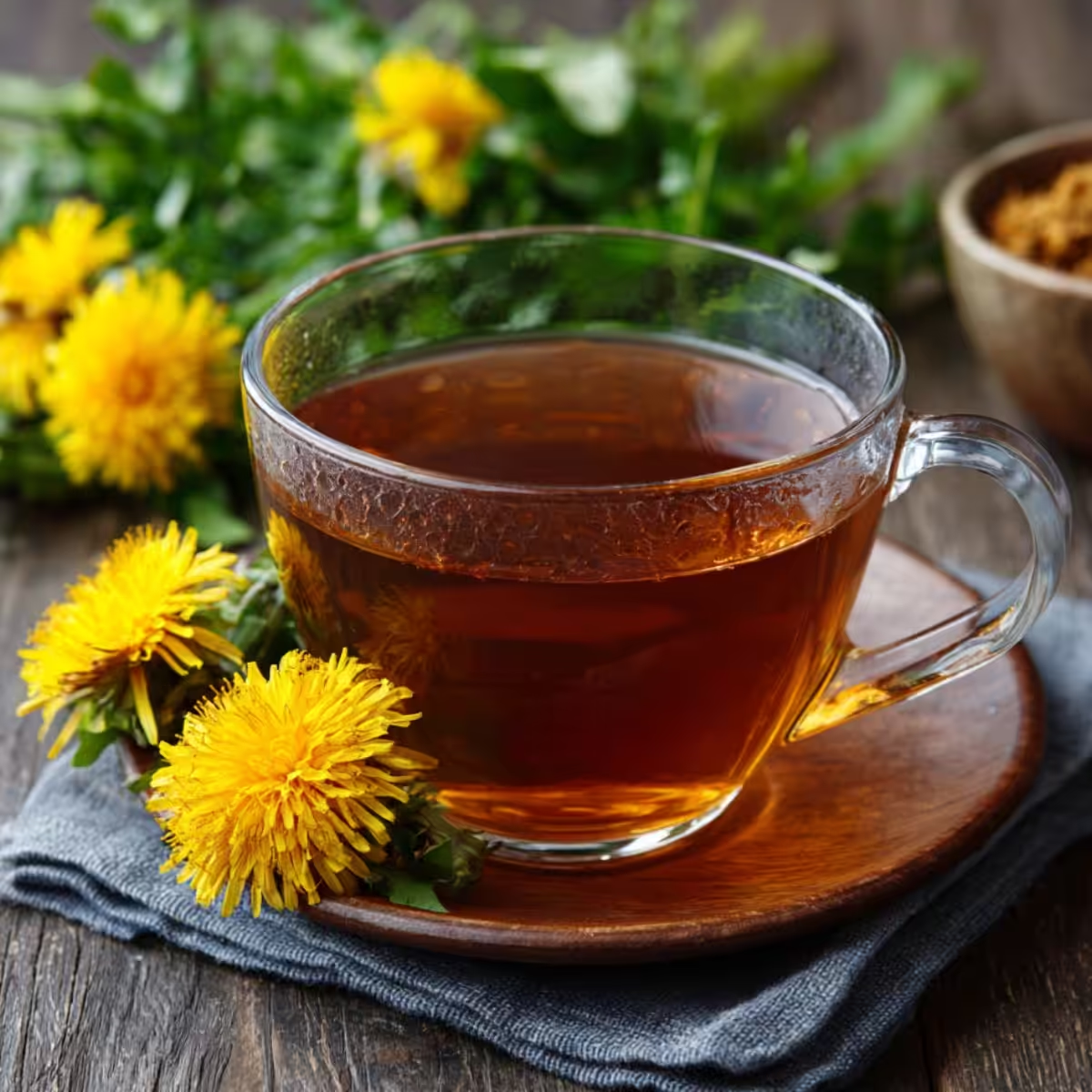

Roasted Dandelion Root Tea
Ingredients
Equipment
Method
- If using fresh roots, scrub them thoroughly under cold water to remove all soil. Pat dry and chop into small, uniform pieces (about ¼-inch). If using dried roots, skip to step 2.
- Preheat oven to 300°F (150°C). Spread the chopped roots in a single layer on a rimmed baking sheet. Roast for 30–45 minutes, stirring every 10 minutes, until the pieces are dark brown and smell deeply roasted. Remove from oven and let cool completely.
- Transfer the cooled roasted roots to an airtight glass jar. Store in a cool, dark cupboard for up to several months.
- For one serving, bring 8 ounces of filtered water to a boil. Place 1 tablespoon of roasted roots in a teapot or mug. Pour the boiling water over the roots. Cover and steep for 10–15 minutes.
- Strain the tea into a cup. Add optional spices, lemon, or sweetener if desired. Enjoy warm.



How long can this be stored? Or what is the best way to store it to give it a longer shelf life?