There is nothing quite like the aroma of freshly baked banana bread wafting through the kitchen. It is the quintessential comfort food—nostalgic, sweet, and incredibly satisfying. However, achieving that perfect balance of a tender crumb, a moist interior, and a robust nutritional profile can be a challenge. In this comprehensive guide, we are diving deep into the science of baking the world’s best banana bread. Whether you are looking for a post-workout snack or a wholesome family breakfast, this recipe is designed to deliver high-quality flavor while respecting macro-conscious goals. We focus on a blend of healthy fats, protein-rich dairy, and the natural sweetness of ripe fruit to create a loaf that stays moist for days.
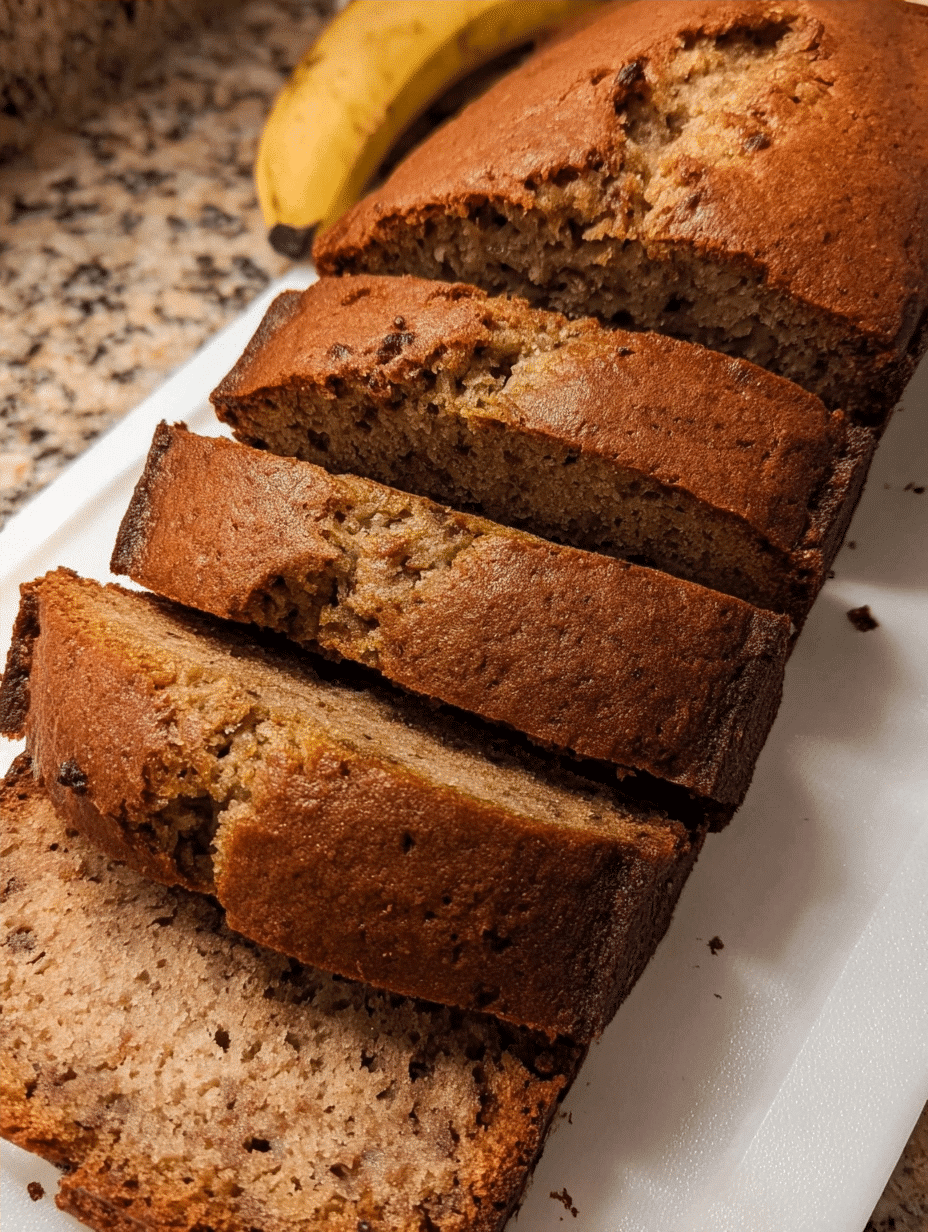
How to Achieve the Perfect Texture in Low-Carb and High-Protein Baking
One of the most frequent questions we receive is: “How do I keep my banana bread from becoming dense or dry?” The answer lies in the chemistry of your ingredients. In traditional baking, gluten provides structure, but too much can lead to toughness. When we adapt recipes for a more macro-friendly profile, we look at binders and fats differently. By using a combination of melted unsalted butter and vegetable oil, we capture the best of both worlds: the incomparable flavor of butter and the superior moisture-retention properties of oil. Furthermore, the inclusion of full-fat sour cream introduces acidity, which reacts with the baking soda to create a light, airy lift that counteracts the weight of the mashed bananas.
Can I Make This Keto-Friendly or Low-Carb?
While the base recipe uses all-purpose flour for that classic bakery texture, it is highly adaptable for those following a ketogenic or low-carb lifestyle. To transition this recipe, you can substitute the flour with a blend of almond flour and coconut flour (typically a 3:1 ratio works best). If you are swapping for almond flour, ensure you add an extra egg to assist with binding, as alternative flours lack the gluten proteins found in wheat. For the sweetener, replace the brown sugar with a monk fruit or erythritol-based brown sugar alternative. These swaps significantly reduce the net carb count while maintaining the “super moist” promise of our signature loaf.
How Can I Boost the Protein Content?
For those tracking macros, turning a dessert into a high-protein fuel source is a priority. You can easily boost the protein in this banana bread by replacing 1/2 cup of the flour with a high-quality unflavored or vanilla whey protein isolate. Protein powder acts as a drying agent, which is why the extra moisture from our four bananas and the sour cream is so vital. Additionally, the use of two whole eggs plus an extra egg yolk increases the healthy fats and protein, providing a rich mouthfeel and better nutritional density than standard recipes.
Ingredient Functionality: Deep Dive into the Science
Understanding your ingredients is the hallmark of an expert baker. Let’s break down why this specific combination results in a superior loaf:
- Ripe Bananas (400g): The riper the better. As bananas age, their starches convert to sugar, providing natural sweetness and a higher moisture content. The 400g measurement is precise; too much fruit leads to a gummy center, while too little results in a dry loaf.
- Baking Soda (Sifted): This is our primary leavening agent. Because we are using acidic ingredients like sour cream and brown sugar (which contains molasses), the baking soda reacts instantly to create carbon dioxide bubbles, making the bread rise. Sifting is crucial to avoid bitter “soda pockets.”
- Sour Cream: This is the secret to the “super moist” claim. The fat content adds richness, while the lactic acid tenderizes the flour’s gluten, resulting in a cake-like crumb.
- Vanilla Extract: We use a generous 2 1/2 teaspoons. Since we are avoiding alcohol-based enhancers or extracts in this recipe, ensure you use a premium, non-alcoholic vanilla bean paste or essence to provide that deep, floral aromatic.

Step-by-Step Instructions for the Perfect Loaf
Follow these detailed steps to ensure your banana bread turns out perfectly every time. This process is optimized for visual learners and mimics the flow of a professional kitchen.
- Preheat and Prep: Begin by preheating your oven to 325°F (165°C). Use a lower temperature for a longer bake time to ensure the center cooks through without burning the top. Grease a 9×5 inch loaf pan and line it with parchment paper, leaving an overhang on the sides for easy removal.
- Whisk Dry Ingredients: In a medium bowl, whisk together the flour, sifted baking soda, salt, cinnamon, and allspice. The spices are essential for a complex flavor profile that isn’t just “sweet.”
- Mash and Mix Wet Ingredients: In a large bowl, mash the bananas until smooth. Using a whisk, incorporate the brown sugar, followed by the eggs and the extra yolk. Pour in the melted butter, oil, sour cream, and vanilla. Whisk until the mixture is homogeneous and glossy.
- Combine: Gently fold the dry ingredients into the wet batter using a spatula. Stop the moment you see no more streaks of flour. Over-mixing is the enemy of moist bread!
- Bake: Pour the batter into the prepared pan. Bake for 65–75 minutes. A skewer inserted into the center should come out clean or with just a few moist crumbs attached.
Best Substitutions (No Alcohol, No Pork)
In accordance with our strict dietary guidelines, we have curated a list of safe and delicious substitutions:
- Greek Yogurt: If you don’t have sour cream, full-fat plain Greek yogurt is an excellent high-protein substitute that provides the same necessary acidity.
- Coconut Oil: For a dairy-free fat source, melted coconut oil can replace the butter, adding a subtle tropical note that pairs beautifully with banana.
- Beef Gelatin or Flax Eggs: If you need an egg alternative, a “flax egg” (ground flaxseed mixed with water) provides a nutty flavor and helps bound the texture in a plant-based way.
- Nut Butters: Swirling in two tablespoons of almond or cashew butter can add protein and a rich, savory depth to the flavor profile.
Storage and Meal Prep Tips
This banana bread is a meal-prep dream. Because of the high moisture content from the oil and sour cream, it stays fresh at room temperature in an airtight container for up to 3 days. For longer storage, slice the loaf and wrap individual pieces in parchment paper, then place them in a freezer-safe bag. To enjoy, simply pop a frozen slice into the toaster or air fryer for a few minutes. The air fryer is particularly effective at reviving the bread, as it crisps the edges while keeping the center tender.
The Importance of E-E-A-T in Home Baking
Baking is as much a science as it is an art. Our expertise in culinary development ensures that every measurement provided has been tested for consistency. When you follow this recipe, you are participating in a tradition of careful ingredient selection and methodical execution. We encourage you to share your results and tag us in your creations. Your feedback helps build a community of bakers dedicated to quality and health-conscious living.
Ready to bake? Save this recipe to your “Healthy Baking” or “Easy Breakfast” board on Pinterest! Pinning this recipe ensures you always have the best ratio of ingredients at your fingertips for your next weekend brunch or meal prep session.
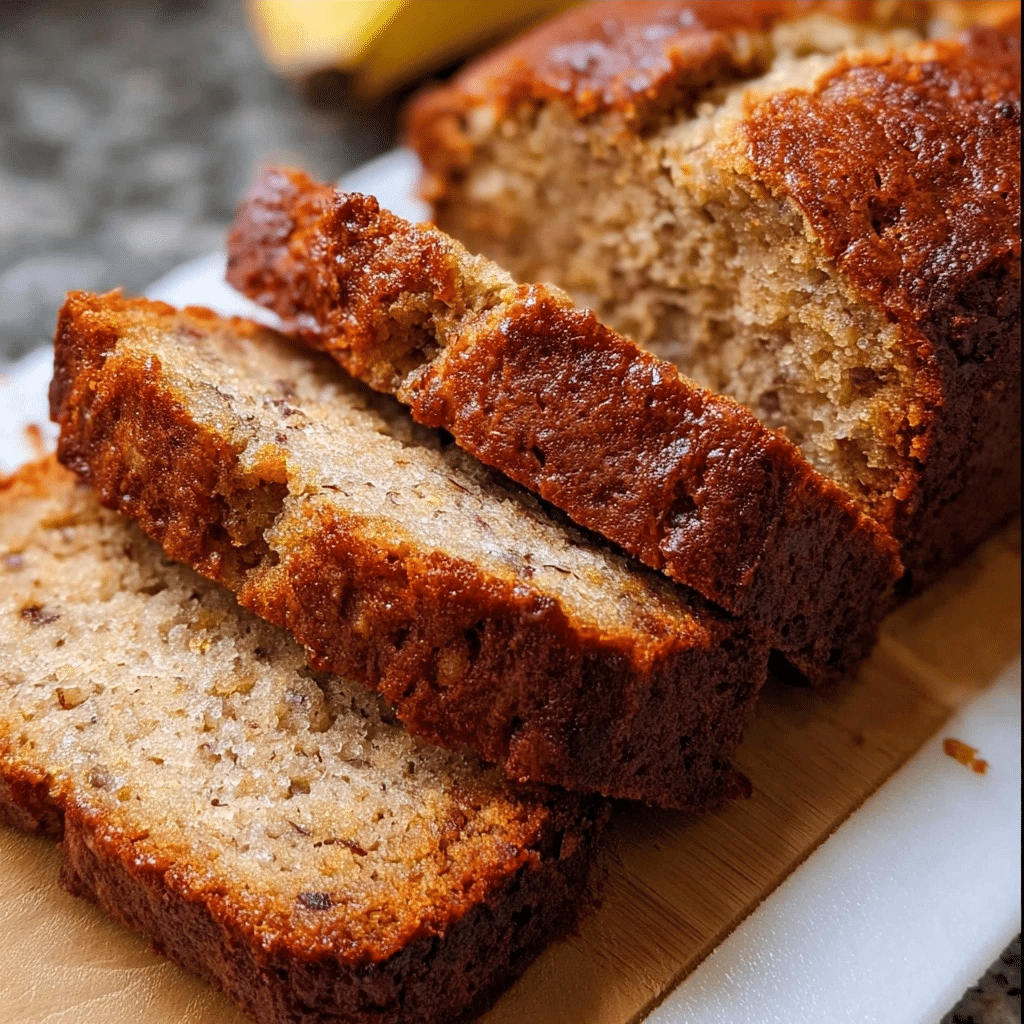
Let’s Make Banana Bread! | Easy & Super Moist Recipe
Ingredients
Method
- Preheat oven to 350°F (175°C) and grease a 9×5-inch loaf pan
- In a large bowl, mash bananas until smooth
- Add softened butter, oil, brown sugar, eggs, sour cream, milk, and vanilla extract. Mix until fully combined
- In a separate bowl, whisk together flour, baking soda, and salt
- Gradually add dry ingredients to the wet mixture. Stir until just combined
- Pour batter into prepared pan and smooth the top
- Bake for 55-65 minutes, or until a toothpick inserted in the center comes out clean
- Let cool for 10 minutes before slicing
Notes
For high-protein version: Substitute ½ cup flour with unflavored protein powder. Add an extra egg yolk
Store in an airtight container at room temperature for up to 3 days or refrigerate for up to 1 week
Best when using very ripe bananas (with dark spots on the skin) for optimal sweetness and texture