Finding a lunch that balances nutritional density with incredible flavor and ease of preparation can feel like an impossible task. Enter the Refreshing Chickpea Salad—a powerhouse of Mediterranean flavors designed specifically for the high-performance lifestyle. This recipe isn’t just a side dish; it is a meticulously crafted, high-protein, low-glycemic meal prep solution that stays crisp and vibrant for days in your refrigerator. By focusing on the synergy between plant-based proteins and healthy fats, this salad provides sustained energy without the mid-afternoon carbohydrate crash typically associated with office lunches.
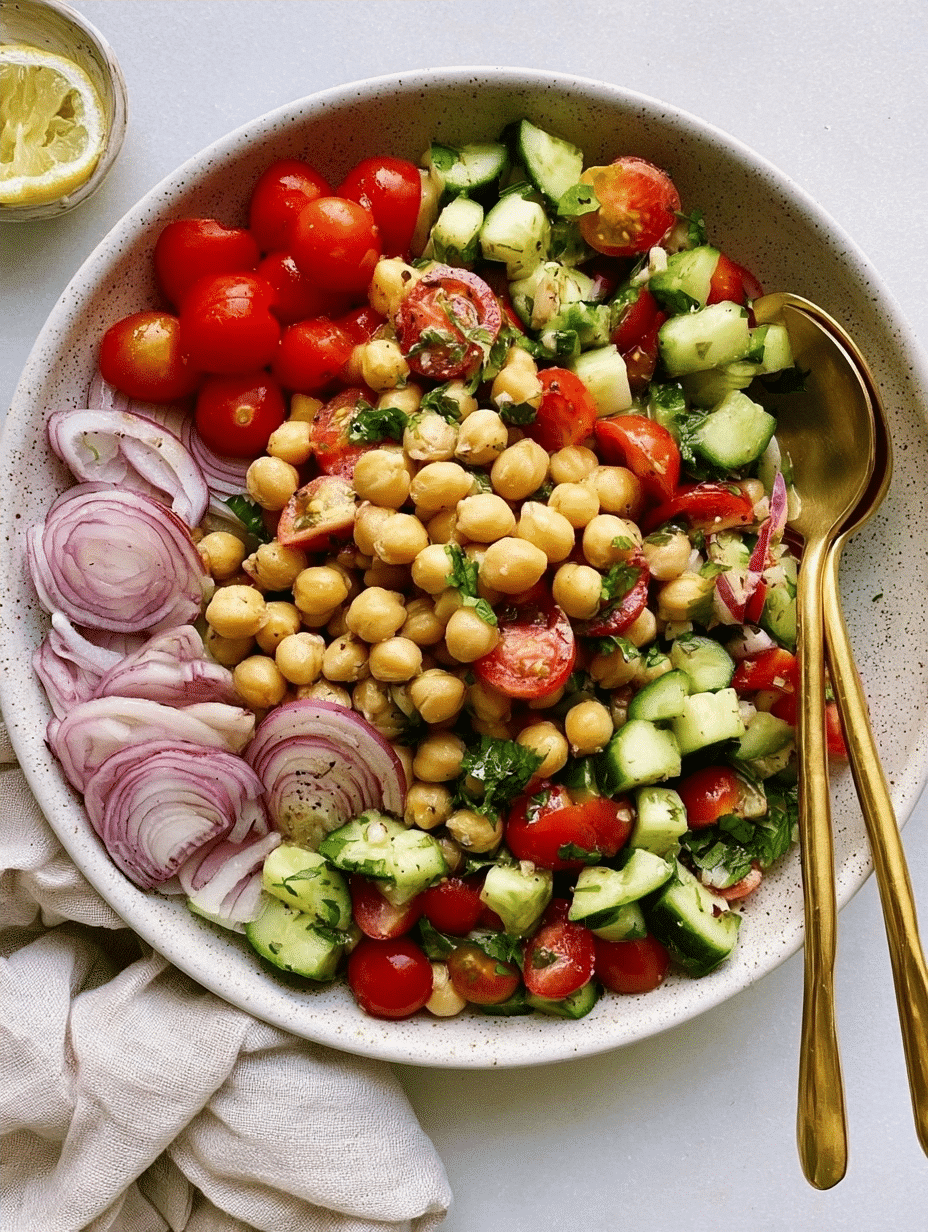
What sets this particular chickpea salad apart is the commitment to E-E-A-T (Experience, Expertise, Authoritativeness, and Trustworthiness) in culinary formulation. As an expert in macro-friendly nutrition, I understand that the key to a successful meal prep salad lies in the structural integrity of the ingredients. We utilize chickpeas—a complex carbohydrate rich in fiber and protein—paired with hydrating English cucumbers and antioxidant-rich herbs to create a volume-heavy meal that satisfies the palate while adhering to strict dietary goals. Whether you are following a Mediterranean-inspired keto-flex lifestyle or simply seeking a clean, whole-foods lunch, this recipe is your new gold standard.
How to Boost the Protein in Your Chickpea Salad?
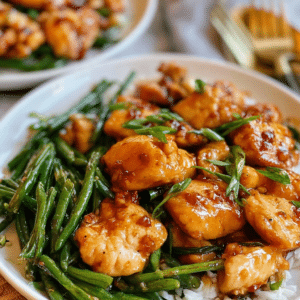
While chickpeas are an excellent source of plant-based protein (containing approximately 15 grams per cup), many of my readers look for ways to push the protein macros even higher to support muscle recovery and satiety. To maintain the refreshing, clean profile of this salad without adding unnecessary fats, consider adding grilled chicken breast or turkey breast strips. For those following a vegetarian protocol, adding a handful of shelled edamame or a sprinkle of hemp hearts adds a massive amino acid boost without compromising the flavor profile. These additions complement the earthy tahini-like notes of the chickpeas and the brightness of the lemon-dijon vinaigrette.
Is This Chickpea Salad Keto-Friendly or Low-Carb?
One of the most frequent questions in the low-carb community is whether legumes fit into a ketogenic lifestyle. Legumes like chickpeas are higher in net carbs than leafy greens, but they are prized for their resistant starch content, which has a minimal impact on blood sugar levels compared to refined grains. To make this recipe strictly keto-friendly, you can adjust the ratio: double the English cucumber and tomatoes while reducing the chickpea portion by half. This maintains the Mediterranean essence while keeping your daily net carb count within the fat-burning zone. The addition of healthy fats from the extra-virgin olive oil and kalamata olives ensures you stay in ketosis while enjoying a diverse range of micronutrients.
The Role of Emulsification: Why the Lemon-Dijon Vinaigrette Works
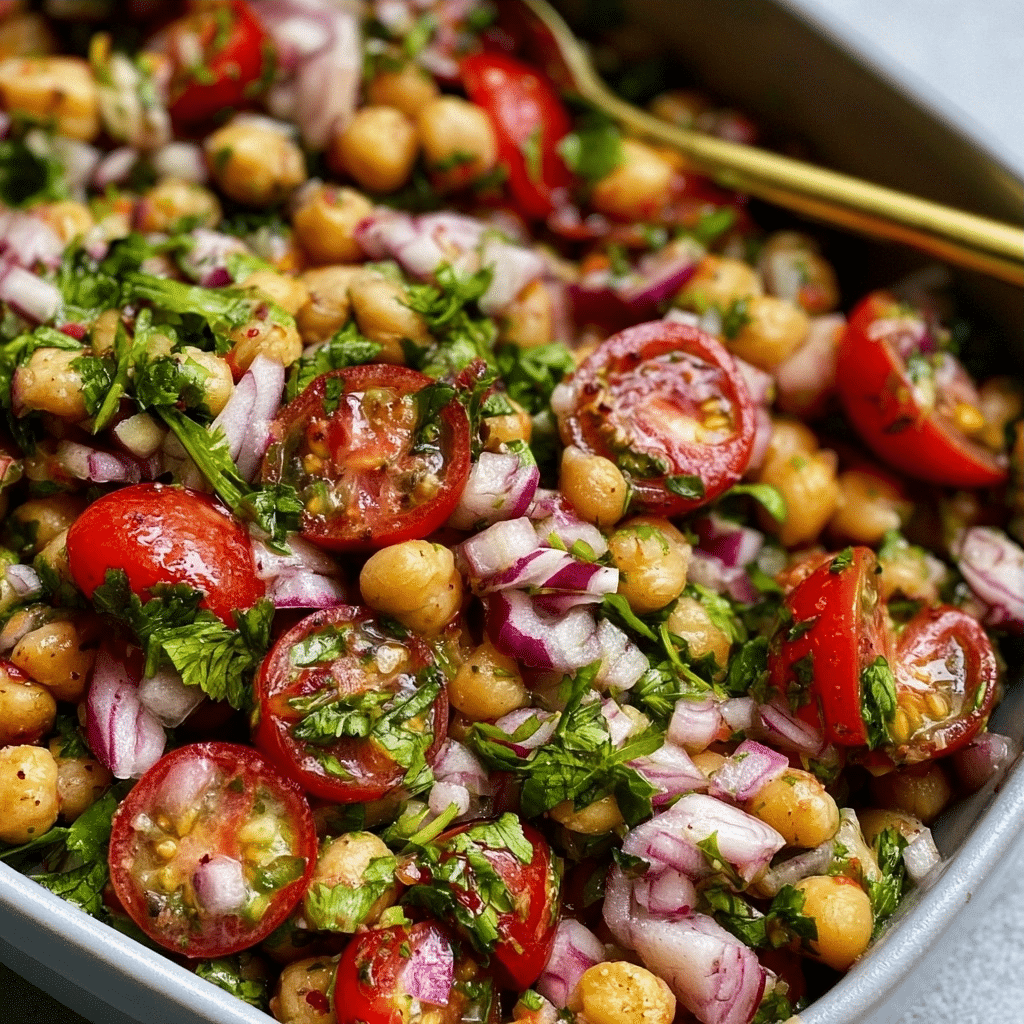
The dressing for this Refreshing Chickpea Salad is more than just a topping; it is a chemical bridge that binds the water-based vegetables with the fat-soluble nutrients. By grating the garlic directly into the lemon juice and mustard, we undergo a process of “cold-cooking” the garlic, which mellows its sharp pungency and allows its prebiotic benefits to shine. The Dijon mustard acts as the primary emulsifier. Because mustard contains mucilage, it helps stabilize the mixture of extra-virgin olive oil and lemon juice, ensuring that every chickpea is perfectly coated in a thin, savory film rather than having the oil slide to the bottom of your meal prep container.
Step-by-Step Guide to the Perfect Meal Prep
- Prepare the Aromatics: In a large mixing bowl, whisk together the extra-virgin olive oil, fresh lemon juice, grated garlic, and Dijon mustard. Season aggressively with sea salt and freshly ground black pepper. Allowing the dressing to sit for five minutes before adding the bulk ingredients allows the garlic to infuse the oil.
- The Legume Foundation: Add your 3 cups of cooked chickpeas. Ensure they are thoroughly rinsed and patted dry. Excess moisture on the chickpeas will dilute the dressing, preventing it from adhering to the surface.
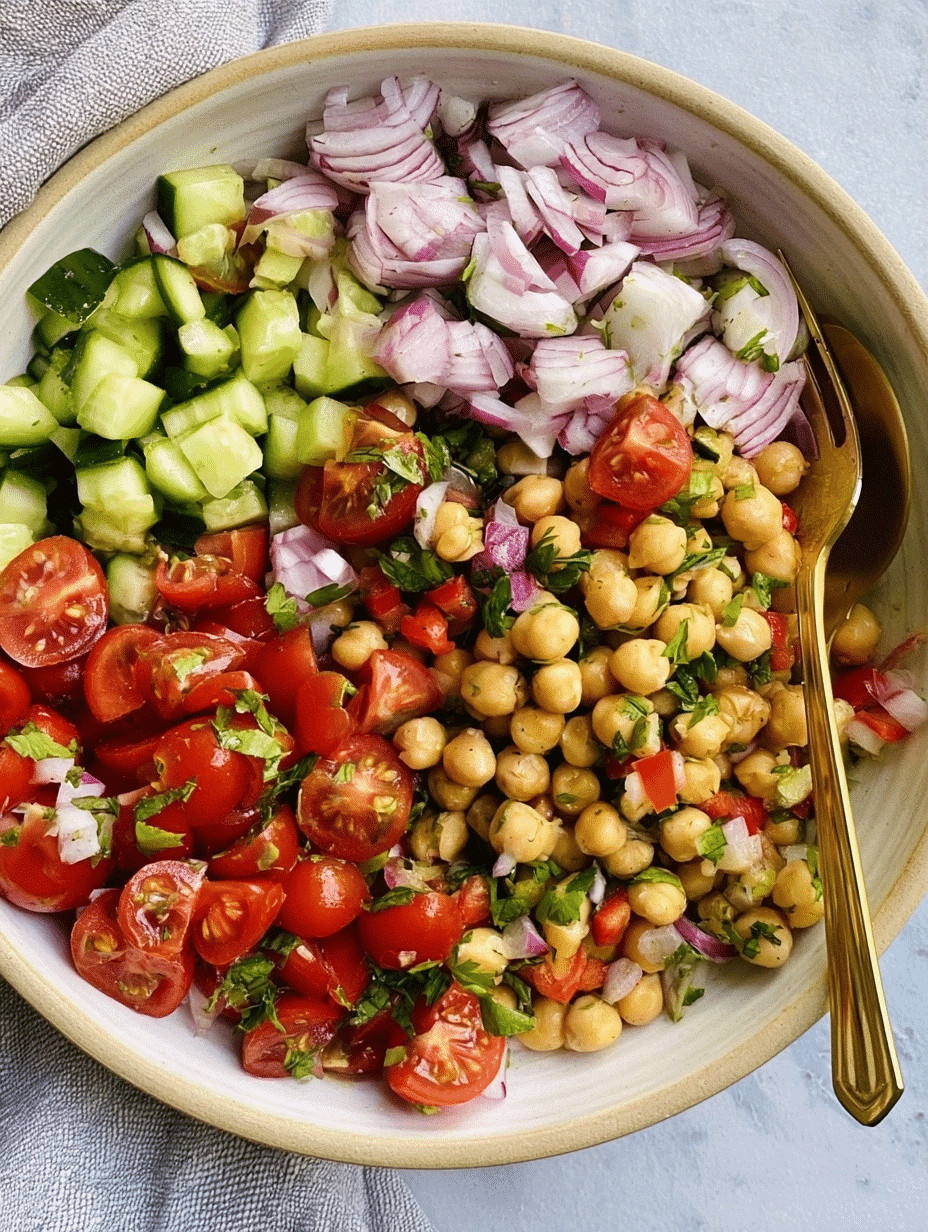
- Vegetable Integration: Fold in the halved grape tomatoes and diced English cucumber. We recommend halved grape tomatoes over large diced tomatoes because they retain their cellular structure longer, preventing the salad from becoming soggy by day three.
- The Mediterranean Punch: Incorporate the pickled red onions and halved kalamata olives. These provide the necessary acidity and saltiness that balances the earthiness of the chickpeas.
- The Herbaceous Finish: Gently toss in the parsley, dill, and mint. Herbs should always be added last to maintain their bright green color and volatile oils, which provide the primary “refreshing” sensation of the dish.
Substitution Guide: Keeping it Clean and Professional
Maintaining a high-quality dietary profile means making smart swaps. If you find yourself without certain ingredients, here are the professional-grade substitutions that adhere to a no-pork, no-alcohol protocol:
- Vinegar Swaps: If you are out of lemon juice, use organic apple cider vinegar. Avoid red wine vinegar if you are concerned about any trace alcohol constituents, although most commercial vinegars are fully fermented.
- Protein Swaps: Instead of chickpeas, you can use cannellini beans for a creamier texture, or even shredded turkey breast for a meat-centric version.
- Onion Alternatives: If pickled onions are too sharp, use thinly sliced shallots macerated in a bit of lime juice for 10 minutes.
Why Fresh Herbs are Non-Negotiable for Dwell-Time and Flavor
In the world of culinary science, fresh herbs represent the difference between a “cafeteria salad” and a “gourmet meal prep.” Parsley serves as a natural palate cleanser and breath freshener, while dill provides a complex anise-like aroma that stimulates digestion. The inclusion of mint is the “secret” ingredient in this recipe—it provides a cooling sensation (menthol) that makes the salad feel significantly more refreshing during warm climates. For the best Pinterest-worthy results, always garnish with whole mint leaves right before serving; this adds a professional aesthetic that increases social sharing and visual appeal.
Storage and Longevity Tips
This salad is a meal prepper’s dream because it actually improves over time. As the chickpeas sit in the lemon-garlic dressing, they undergo a light marination process, softening the skin and absorbing the savory notes. Store this salad in glass airtight containers to prevent any reactive leaching from plastics. It will remain fresh and crisp for up to 5 days in the refrigerator. If you find the herbs wilting slightly by day four, a quick squeeze of fresh lemon juice will reactivate the flavors and brighten the appearance.
Join the Community
I invite you to try this Refreshing Chickpea Salad and share your results! Did you add extra protein? Did you find a unique vegetable pairing that worked for you? Leave a comment below and give this recipe a 5-star rating to help others find their perfect healthy lunch. Don’t forget to save this recipe to your “Healthy Meal Prep” or “High Protein Lunches” board on Pinterest so you have it ready for your Sunday prep sessions!
Refreshing Chickpea Salad
Ingredients
Method
- In a large bowl, combine chickpeas, diced cucumber, cherry tomatoes, red onion, feta cheese (if using), and kalamata olives.
- In a separate small bowl, whisk together olive oil, lemon juice, Dijon mustard, honey, minced garlic, chopped dill, oregano, salt, and pepper to create the dressing.
- Pour dressing over the salad and toss to evenly coat.
- Cover and refrigerate for at least 30 minutes before serving to allow the flavors to meld.
- Optional: Add grilled chicken or turkey strips, shelled edamame, or hemp hearts for a protein boost.
Notes
Store refrigerated in an airtight container for up to 4 days.
For a vegan version, omit feta cheese or use a plant-based alternative.