In the world of high-protein, low-carbohydrate living, finding a snack that provides a satisfying crunch without compromising your macros is the ultimate victory. Enter the Easy Homemade Refrigerator Pickle. Unlike traditional store-bought versions that may contain hidden sugars or artificial preservatives, these quick-pickled cucumbers are a nutritional powerhouse of hydration and electrolytes. This recipe is designed for the modern, busy home cook who demands maximum flavor with zero canning equipment. Whether you are following a strict keto diet, looking to support your gut health, or simply need a zesty topping for your turkey burgers, this guide will provide the deep culinary science and step-by-step expertise to master the art of the refrigerator pickle.

Is This Pickle Recipe Keto-Friendly?
One of the most frequent questions in the low-carb community is whether pickles fit into a ketogenic lifestyle. Traditional bread-and-butter pickles are loaded with white sugar, often containing up to 10-15 grams of carbohydrates per serving. However, this refrigerator pickle recipe is meticulously crafted to be keto-compliant. By using a controlled amount of sugar (which serves more as a pH balancer than a sweetener) and focusing on the natural acidity of white vinegar, we keep the net carb count negligible. For those who are strictly zero-sugar, you can easily substitute the tablespoon of sugar with a monk fruit or erythritol blend. The result is a crisp, tangy snack that satisfies salt cravings—essential for those managing ‘keto flu’ symptoms by replenishing sodium levels.
The Science of the Brine: Why These Ingredients Work
To achieve the perfect snap, we must understand the chemical interaction between the acetic acid in the vinegar and the pectin in the cucumber cell walls. We use a 1:1 ratio of white vinegar to water. This acidity level is high enough to kill off unwanted bacteria and provide that signature ‘zing’ while remaining palatable. The salt is not just for flavor; it performs a process called osmosis, drawing excess moisture out of the cucumber slices to ensure they remain firm rather than soggy. We specifically use kosher salt or pickling salt because it lacks the anti-caking agents found in table salt, which can cloud your brine and leave a bitter aftertaste.
Boosting the Nutritional Profile: Pairings and Protein
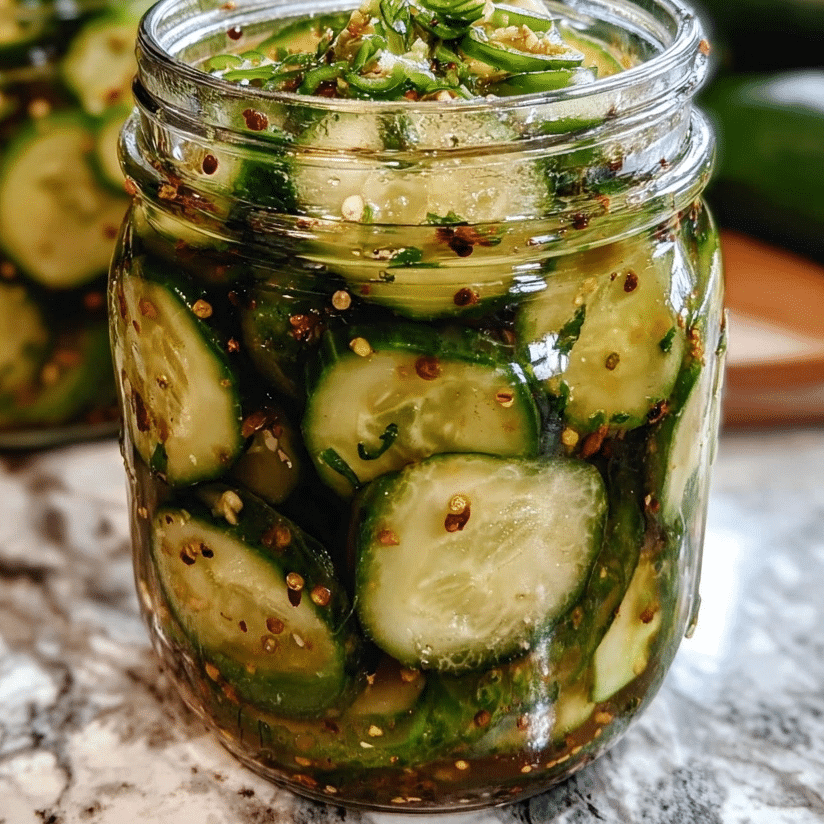
While pickles are a fantastic low-calorie snack, they are even better when integrated into a high-protein meal plan. These spicy jalapeño-infused pickles are the perfect accompaniment to sliced turkey breast or lean roast beef roll-ups. The acidity of the vinegar helps break down the richness of proteins, aiding in digestion. Furthermore, the inclusion of mustard seeds and coriander seeds adds trace minerals and antioxidants without adding any fat or significant calories. This is the ‘secret weapon’ for meal preppers: a batch of these pickles in the fridge ensures you always have a flavor-packed, fiber-rich addition to your grilled chicken salads or tuna boats.
Step-by-Step Instructions for Maximum Crispness
Achieving the ‘commercial crunch’ at home requires attention to detail. Follow this process to ensure your Kirby cucumbers stay as snappy as possible:
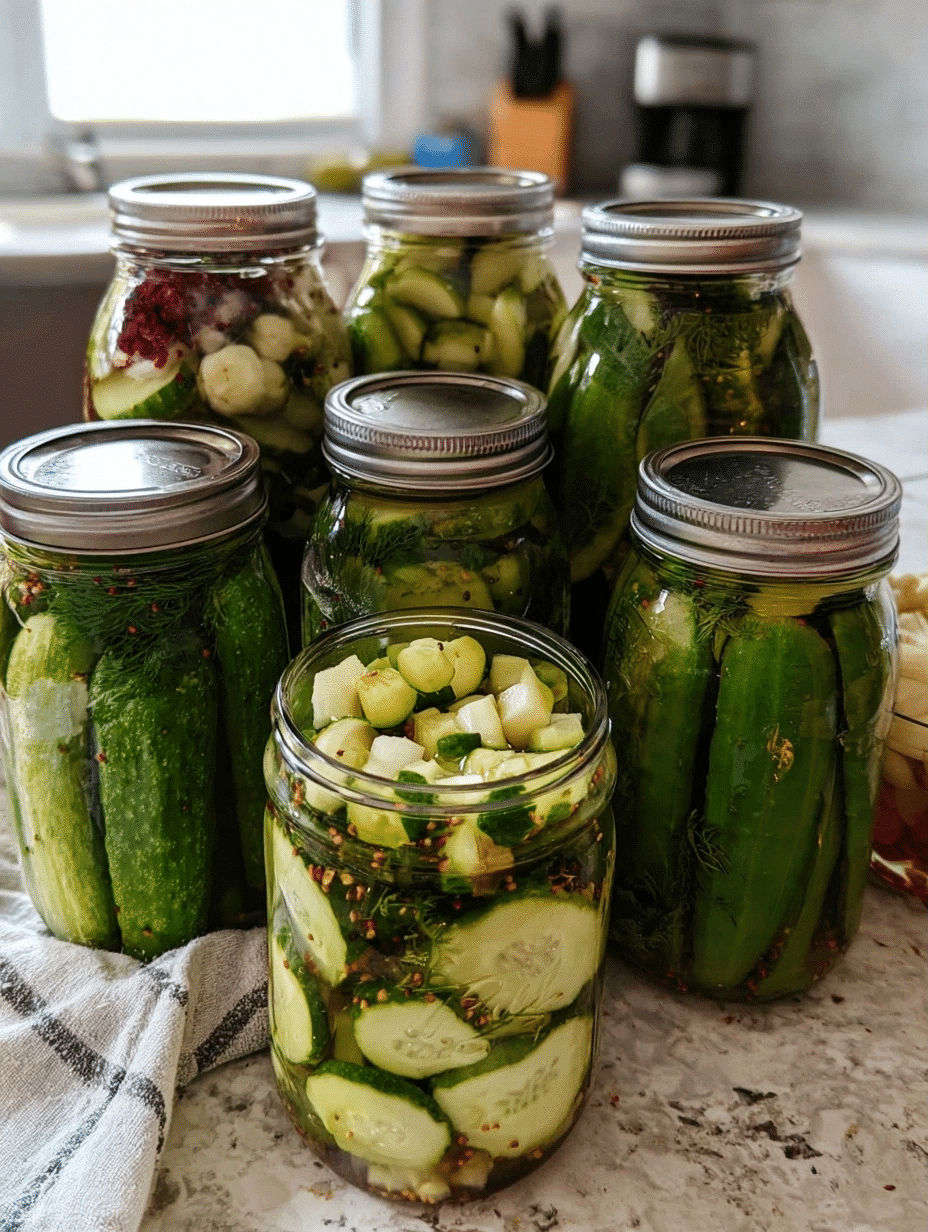
- Preparation: Start with Kirby cucumbers, also known as pickling cucumbers. Their thick skins and low seed counts make them superior to English or hothouse cucumbers. Slice them into half-inch rounds or spears. If you want maximum crunch, soak the sliced cucumbers in ice water for 30 minutes before packing them into jars.
- Aromatics: Into a clean wide-mouth quart jar, drop your sliced garlic, fresh dill sprigs, coriander seeds, mustard seeds, and peppercorns. If you enjoy heat, add the sliced jalapeños now. The oils from the peppers will infuse the brine over the next 24 hours.
- The Brine: In a small saucepan, combine the water, vinegar, sugar, and kosher salt. Heat over medium-high just until the sugar and salt have completely dissolved. You do not need a rolling boil; excessive heat can actually dull the acidity of the vinegar.
- The Pour: Pack the cucumbers tightly into the jar over the aromatics. Pour the warm (not boiling) brine over the cucumbers until they are fully submerged. Leave about half an inch of headspace at the top of the jar.
- The Chill: Let the jar sit at room temperature for about an hour until it is cool to the touch. Secure the lid and place it in the back of the refrigerator—the coldest spot. While you can eat them in 4 hours, they reach peak flavor after 24 to 48 hours.
How to Customize Your Pickles (Safe Substitutions)
While this recipe focuses on a classic dill profile, the beauty of refrigerator pickling is the versatility. If you prefer a more herbaceous note, consider adding fresh thyme or rosemary. For those avoiding white vinegar, apple cider vinegar is an excellent substitute that adds a subtle fruity undertone and additional probiotic benefits, though it will turn the brine a slight amber color. Note: Under no circumstances handles this recipe with alcohol-based vinegars (like red wine vinegar) if you are following a strict no-alcohol protocol; stick to distilled white or apple cider varieties. Similarly, these are purely vegetable-based, making them a perfect side for beef-based charcuterie or turkey deli meats—always ensuring zero pork products are involved in your serving suggestions.
Common Questions: People Also Ask
Can I make these without any sugar?
Yes. The sugar in this recipe functions as a bridge between the sharp acid of the vinegar and the salt. If you are on a strict carnivore-adjacent or zero-carb keto diet, you can omit the sugar entirely or use two drops of liquid stevia. The pickles will be more tart, but the texture will remain the same.
How long do refrigerator pickles last?
Because these are not processed in a boiling water bath (canning), they are not shelf-stable. They must be kept refrigerated. They will stay crisp and delicious for up to 4 to 6 weeks. After that, they may begin to soften, though they are still safe to eat as long as the brine remains clear and there is no mold growth.
Why are my pickles soft?
Soft pickles are usually the result of two things: using old cucumbers or boiling the brine for too long. Always start with firm, fresh cucumbers and ensure the brine has cooled slightly before pouring it over the vegetables. This prevents ‘cooking’ the cucumber, which destroys the cellular structure.
Final Thoughts for Pinterest and Social Sharing
These Easy Homemade Refrigerator Pickles are the missing piece to your healthy meal prep puzzle. They are budget-friendly, take less than 15 minutes of active prep time, and offer a gourmet flavor that store brands simply cannot match. If you found this guide helpful, please leave a 5-star rating below and share your results on social media! Don’t forget to save this recipe to your ‘Keto Snacks’ or ‘Healthy Meal Prep’ boards on Pinterest so you can keep a fresh jar in your fridge all season long.
Easy Homemade Refrigerator Pickles (No Canning Required)
Ingredients
Method
- 1. Wash and slice cucumbers into 1/4-inch rounds or spears.
- 2. In a saucepan, combine vinegar, water, salt, sugar, and whole spices. Bring to a boil, stirring until salt and sugar dissolve. Remove from heat.
- 3. Place cucumber slices and garlic cloves in a clean quart-sized jar or airtight container.
- 4. Pour hot brine over cucumbers, ensuring they are fully submerged.
- 5. Cool brine to room temperature, then refrigerate for 4-7 days before eating.