If you have ever found yourself disappointed by dry, flavorless poultry, you are not alone. Ground turkey often gets a bad reputation in the culinary world for lacking moisture and depth. However, it is entirely possible to transform this lean protein into something extraordinary. This comprehensive guide to making Fresh Greek Turkey Meatballs with Homemade Tzatziki Sauce will show you exactly how to achieve incredibly juicy, herb-packed meatballs paired with a cool, creamy, and authentic dipping sauce.
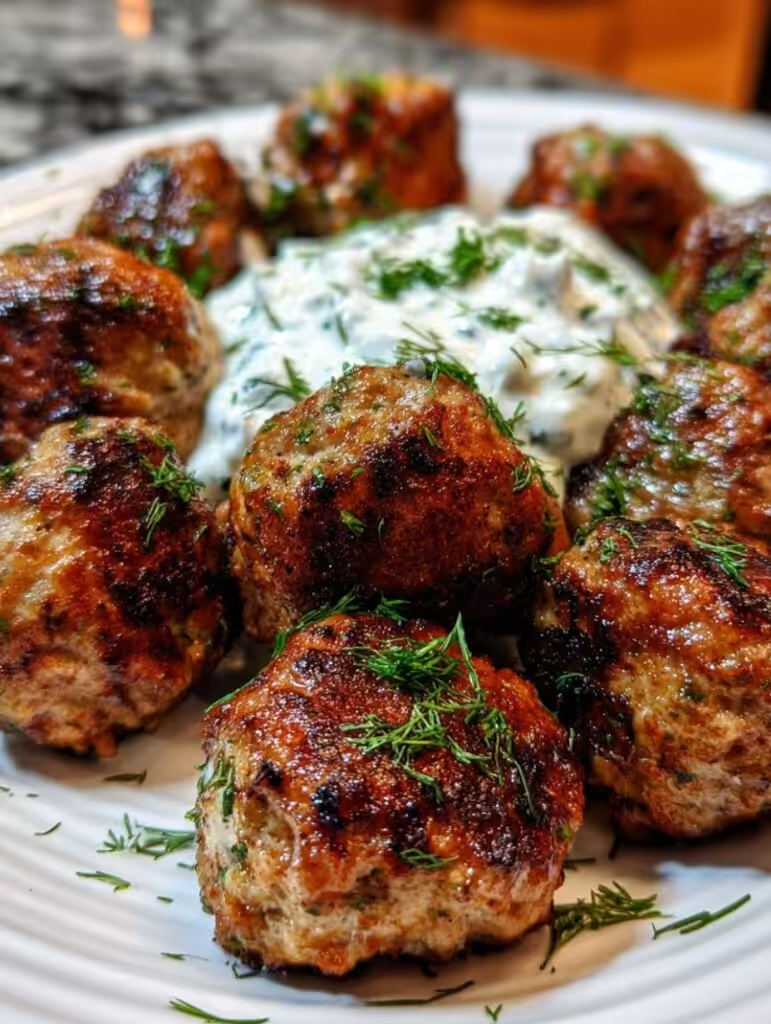
Whether you are meal-prepping for a busy week, hosting a Mediterranean-themed dinner party, or simply looking for a wholesome, vibrant weeknight meal, this recipe checks every box. It relies entirely on bright, fresh, non-alcoholic ingredients, ensuring a clean flavor profile that pops on the palate. In this guide, we will dive deep into the science of meatball texture, explore versatile variations and substitutions, and share professional preparation tips to guarantee success every single time you step into the kitchen.
Why You Will Fall in Love with This Recipe
Creating the perfect meatball is a delicate balancing act. You want a meatball that holds its shape during cooking but yields to a tender, melt-in-your-mouth bite. Here is why this specific recipe for Fresh Greek Turkey Meatballs with Homemade Tzatziki Sauce stands out from the rest:
- Unbeatable Texture: By utilizing specific binding techniques and incorporating moisture-rich vegetables directly into the meat mixture, we completely eliminate the risk of a dry turkey meatball.
- Vibrant, Fresh Flavors: The generous use of fresh herbs—mint, dill, and parsley—brings the sunny flavors of the Mediterranean straight to your kitchen.
- Health-Conscious and Wholesome: Lean ground turkey provides excellent protein without heavy saturated fats, while the yogurt-based tzatziki offers probiotics and calcium.
- Highly Adaptable: From gluten-free to dairy-free needs, the substitutions available make this a universally friendly dish for all dietary preferences.
The Secret to Perfect Meatball Texture
When working with lean meats like turkey, understanding the culinary science behind moisture retention is crucial. Beef and pork naturally contain higher percentages of intermuscular fat, which melts during the cooking process to baste the meat from the inside out. Ground turkey, especially breast meat, lacks this built-in safety net.
To achieve the ideal texture, we employ three professional preparation tips:
1. The Panade Technique
A panade is a paste made from starch and liquid—typically breadcrumbs soaked in milk. For our Greek meatballs, we create a specialized Mediterranean panade using panko breadcrumbs moistened with a touch of milk (or a dairy-free alternative). This starchy paste coats the protein molecules in the meat, preventing them from linking together too tightly during the baking process. The result is a tender, springy meatball rather than a dense, rubbery one.
2. Hidden Moisture from Vegetables
Adding finely grated onion and a touch of minced garlic does more than just provide flavor. Onions are packed with water. As the meatballs bake, the onion releases steam, cooking the turkey gently from the inside and keeping the interior incredibly moist.
3. Gentle Mixing and Baking Terms
How you handle the meat mixture directly impacts the final texture. Folding the ingredients gently with your hands is vastly superior to vigorously stirring with a spoon. Overworking the meat develops the proteins too much, leading to a tough bite.
Furthermore, understanding your oven’s baking terms is essential. We will be roasting these meatballs at a moderately high temperature (400°F/200°C). Roasting ensures a beautiful, caramelized exterior while cooking the center quickly before it has a chance to dry out.
Essential Ingredients: Building the Flavor Profile
The beauty of Greek cuisine lies in its simplicity. High-quality, fresh ingredients are paramount. Let’s break down the components.
The Fresh Greek Turkey Meatballs
- Ground Turkey: Opt for a 93% lean / 7% fat blend. Avoid 99% lean turkey breast, as it is simply too dry for standalone meatballs.
- Aromatics: Finely grated red onion and freshly minced garlic act as the flavor foundation.
- Fresh Herbs: A trio of fresh parsley, fresh dill, and fresh mint provides that signature Greek flavor. Do not substitute with dried herbs here; the fresh leaves provide essential aromatic oils and vibrant color.
- Feta Cheese: Crumbling high-quality sheep’s milk feta directly into the mix adds pockets of creamy, salty goodness.
- The Binder: An egg and panko breadcrumbs act as the structural glue holding the meatballs together.
- Seasoning: Kosher salt, freshly cracked black pepper, and a pinch of dried oregano round out the savory notes.
- Olive Oil: A drizzle of extra virgin olive oil folded into the meat adds a touch of needed fat.
The Homemade Tzatziki Sauce
- Greek Yogurt: You must use full-fat, plain Greek yogurt. Regular yogurt is too thin and will result in a watery sauce.
- English Cucumber: English cucumbers have thinner skins and fewer seeds, making them ideal.
- Fresh Lemon Juice: Provides the necessary bright, acidic tang. (This is a fantastic way to add acidity utilizing strictly non-alcoholic ingredients).
- Garlic: One clove, grated into a paste, gives the sauce its signature bite.
- Fresh Dill: The cornerstone herb of traditional tzatziki.
- Extra Virgin Olive Oil: Whisking a little olive oil into the yogurt adds a luxurious, velvety mouthfeel.
Step-by-Step Preparation Tips
Follow these detailed steps to master the art of Fresh Greek Turkey Meatballs with Homemade Tzatziki Sauce.
Phase 1: Crafting the Perfect Tzatziki
Pro Tip: Always make your tzatziki first. Letting it rest in the refrigerator allows the garlic to mellow and the flavors to meld beautifully.
- Prep the Cucumber: Grate the English cucumber using the coarse side of a box grater.
- Extract the Moisture: This is the most critical step. Place the grated cucumber in the center of a clean kitchen towel or a double layer of cheesecloth. Gather the corners and squeeze vigorously over the sink. You want to extract as much liquid as humanly possible. If you skip this step, your sauce will become soupy.
- Combine and Chill: In a medium bowl, whisk together the thick Greek yogurt, the dry grated cucumber, minced garlic, fresh lemon juice, chopped dill, a pinch of salt, and a drizzle of olive oil. Cover tightly and refrigerate until serving.
Phase 2: Mixing and Shaping the Meatballs
- Prepare the Station: Preheat your oven to 400°F (200°C). Line a large, rimmed baking sheet with parchment paper to prevent sticking and ensure easy cleanup.
- Create the Base: In a large mixing bowl, lightly beat the egg. Add the panko breadcrumbs, grated red onion, minced garlic, crumbled feta, chopped parsley, dill, mint, dried oregano, salt, pepper, and a tablespoon of olive oil. Stir this mixture together and let it sit for 3-5 minutes. This allows the panko to hydrate.
- Incorporate the Protein: Add the ground turkey to the bowl.
- The Gentle Fold: Wash your hands thoroughly. Using your fingertips, gently fold the turkey into the herb and breadcrumb mixture. Mix just until the ingredients are evenly distributed. Stop immediately once mixed to protect the texture.
- Portioning: Use a medium cookie scoop (about 1.5 to 2 tablespoons in volume) to portion the meat mixture. Roll each portion gently between your damp palms to form a smooth sphere. Wet hands prevent the lean turkey from sticking to your skin. Place the meatballs evenly on the prepared baking sheet.
Phase 3: The Baking Process
- Roast to Perfection: Place the baking sheet in the center rack of your preheated oven. Bake for 18 to 22 minutes.
- Check for Doneness: The meatballs should be lightly golden brown on the outside. To ensure they are fully cooked but not dry, use an instant-read meat thermometer. The internal temperature should register exactly 165°F (74°C).
- Resting: Allow the meatballs to rest on the baking sheet for 5 minutes before serving. This allows the internal juices to redistribute, ensuring a moist bite.
Variations and Substitutions
A hallmark of a great recipe is its flexibility. Here is how you can adapt these Fresh Greek Turkey Meatballs with Homemade Tzatziki Sauce to suit various dietary needs and pantry availability.
Gluten-Free Variation
To make this recipe 100% gluten-free, simply swap the traditional panko breadcrumbs for gluten-free panko. Alternatively, you can use almond flour. If using almond flour, reduce the amount by a quarter, as it absorbs liquid differently than breadcrumbs.
Dairy-Free Substitutions
If you are lactose intolerant or avoiding dairy, you can still enjoy this dish.
- For the Meatballs: Omit the feta cheese entirely. To replace the salty, briny flavor profile, add two tablespoons of finely chopped Kalamata olives or capers directly into the meat mixture.
- For the Tzatziki: Substitute the dairy yogurt with a high-quality, unsweetened plain almond milk or coconut milk yogurt. Be sure it is a thick, Greek-style plant-based yogurt to maintain the dip’s integrity.
Protein Variations
While turkey is light and healthy, you can easily apply this flavor profile to other proteins.
- Chicken: Ground chicken works exactly the same as ground turkey in this recipe.
- Lamb: For a truly traditional, rich Greek flavor, substitute half or all of the ground turkey with ground lamb. Keep in mind that lamb has a higher fat content, so the meatballs will be richer and may release more juices onto the baking sheet.
Low-Carb / Keto Approach
To reduce the carbohydrate count, eliminate the panko breadcrumbs. Instead, use a tablespoon of crushed pork rinds or a combination of almond flour and a teaspoon of psyllium husk powder to act as the binder.
Serving Suggestions: Building a Mediterranean Feast
These meatballs are incredibly versatile and can be served in a multitude of ways to keep your weekly menu exciting.
- The Classic Pita Pocket: Warm a fluffy pita bread, spread a generous layer of the homemade tzatziki inside, and stuff it with 3-4 warm meatballs. Top with diced tomatoes, sliced red onions, and crisp lettuce for a hand-held delight.
- Mediterranean Power Bowls: Create a nutritious bowl starting with a base of quinoa, farro, or cauliflower rice. Add the Greek turkey meatballs, a dollop of tzatziki, Kalamata olives, cucumber slices, cherry tomatoes, and a drizzle of olive oil.
- Mezze Platter: Serve the meatballs on a large platter surrounded by small bowls of the tzatziki sauce, hummus, baba ganoush, stuffed grape leaves (dolmas), and toasted pita points for an elegant appetizer spread.
- Fresh Greek Salad: Serve the meatballs warm over a bed of crisp romaine lettuce, cucumbers, tomatoes, red onions, and feta cheese, using the tzatziki sauce thinned out with a little extra lemon juice as a creamy dressing.
Make-Ahead, Storage, and Freezing Guide
This recipe is a meal prepper’s dream. The flavors actually deepen and improve after a day in the refrigerator.
Storing Leftovers:
Allow the cooked meatballs to cool completely to room temperature. Store them in an airtight container in the refrigerator for up to 4 days. Store the tzatziki sauce in a separate airtight container; it will also stay fresh for up to 4 days. You may notice a little water separation in the tzatziki over time—simply give it a quick stir before serving.
Reheating Tips:
To maintain the ideal texture and prevent drying out, avoid the microwave if possible. Instead, place the meatballs in an oven-safe dish, add a splash of chicken broth or water to the bottom, cover tightly with foil, and warm in a 350°F (175°C) oven for 10-12 minutes until heated through.
Freezing Instructions:
- Freezing Raw Meatballs: Shape the meatballs and place them on a parchment-lined baking sheet. Freeze until solid (about 2 hours). Transfer the frozen, raw meatballs to a freezer-safe zip-top bag. They can be baked straight from frozen—just add 5-8 extra minutes to your baking time.
- Freezing Cooked Meatballs: Let the baked meatballs cool completely. Freeze them in a single layer before transferring them to a container. They will keep for up to 3 months. Thaw overnight in the refrigerator before reheating.
- Note: Do not freeze the tzatziki sauce. Dairy-based sauces tend to split and become grainy when frozen and thawed.
Frequently Asked Questions (FAQs)
Q: Can I pan-fry these instead of baking them?
A: Absolutely! While baking is easier and requires less hands-on attention, pan-frying yields a wonderful, crispy crust. Heat 2 tablespoons of olive oil in a large skillet over medium-high heat. Add the meatballs and cook for 8-10 minutes, turning frequently so all sides brown evenly, until the internal temperature reaches 165°F.
Q: My meatball mixture is too wet and won’t hold its shape. What do I do?
A: This usually happens if the onion was incredibly juicy or the egg was extra-large. Simply add an additional 1 to 2 tablespoons of panko breadcrumbs, gently fold them in, and let the mixture sit for 5 minutes to absorb the excess moisture.
Q: How do I know when the meatballs are fully cooked without a thermometer?
A: While a meat thermometer is the most accurate tool, you can test for doneness by cutting a test meatball in half. The center should be completely opaque and white, with no traces of pink, and the juices running from the meatball should be perfectly clear.
Q: Can I use dried herbs instead of fresh?
A: Fresh herbs are highly recommended for the authentic, bright Greek flavor. However, if you are in a pinch, you can substitute dried herbs. The general rule of culinary substitution is 1 teaspoon of dried herbs for every 1 tablespoon of fresh herbs.
Q: Why is my homemade tzatziki sauce watery?
A: A watery tzatziki happens for two reasons: using regular yogurt instead of thick Greek yogurt, or failing to squeeze the excess water out of the grated cucumber. Take the extra 60 seconds to wring out the cucumber in a towel, and your sauce will be perfectly thick and creamy.
Conclusion
Mastering these Fresh Greek Turkey Meatballs with Homemade Tzatziki Sauce will completely change how you view lean poultry. By utilizing smart culinary techniques, relying on moisture-rich vegetables, and balancing the dish with a vibrant, herb-packed flavor profile, you can create a restaurant-quality Mediterranean meal right in your own kitchen.
This recipe is designed to be shared. The bright, zesty, and savory flavors appeal to almost every palate, making it a guaranteed hit for family dinners or gatherings.
We would love to hear from you! If you try this recipe, please leave a star rating and a comment below sharing your experience. Did you serve them in a warm pita or over a fresh salad? Share your serving ideas and join our culinary community! Don’t forget to pin this recipe to your favorite Pinterest boards for easy access next time you need a healthy, flavorful dinner solution.
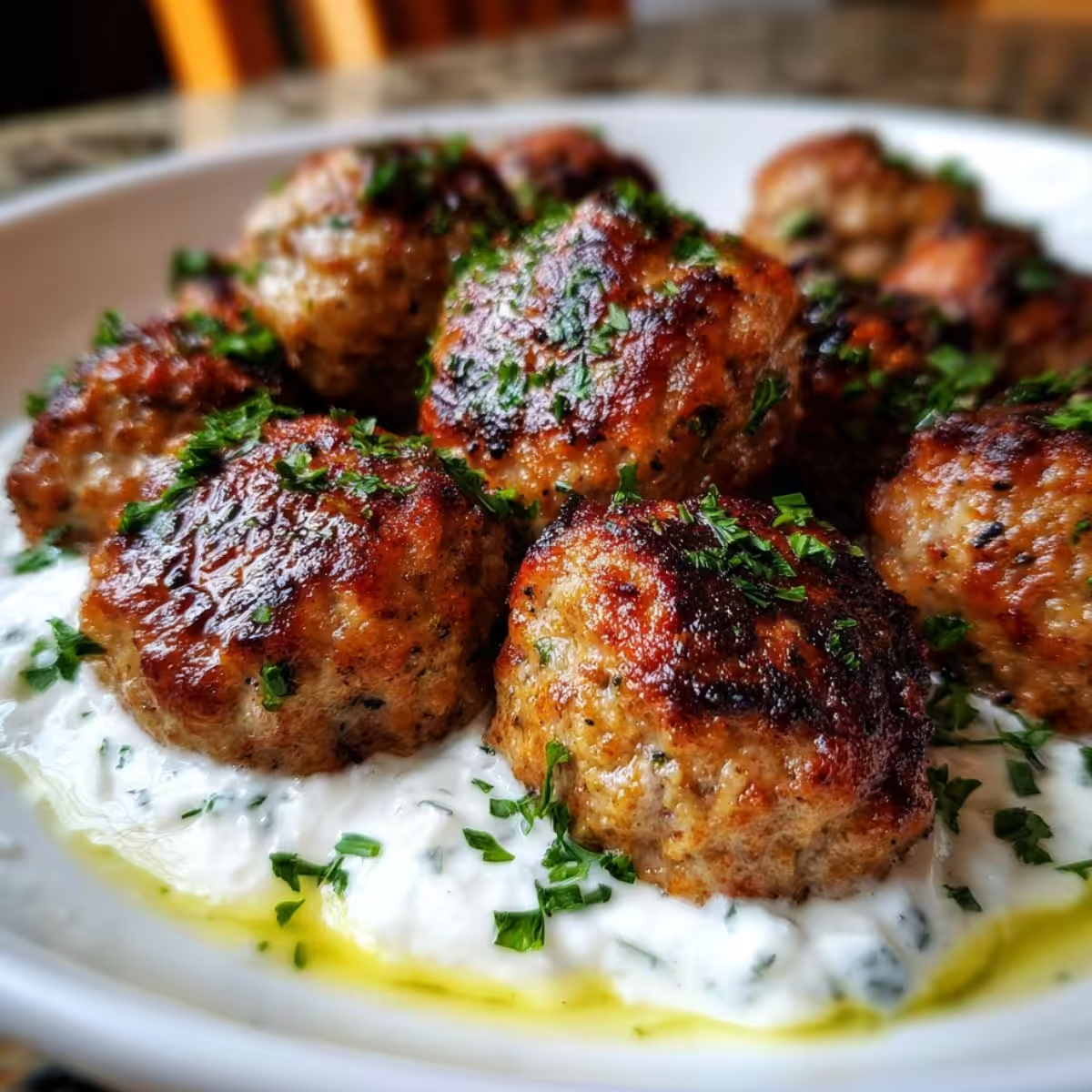

Fresh Greek Turkey Meatballs with Homemade Tzatziki Sauce
Ingredients
Equipment
Method
- Make the Tzatziki: Grate the cucumber and squeeze out excess moisture using a clean kitchen towel. In a medium bowl, mix the dry cucumber, Greek yogurt, fresh lemon juice, 1 clove grated garlic, 1 tablespoon fresh dill, and 1 tablespoon olive oil. Season with a pinch of salt. Cover and refrigerate.
- Preheat your oven to 400°F (200°C) and line a large baking sheet with parchment paper.
- In a large bowl, combine the beaten egg, panko breadcrumbs, grated red onion, minced garlic, parsley, dill, mint, crumbled feta, oregano, salt, pepper, and 1 tablespoon of olive oil. Let sit for 3 minutes.
- Add the ground turkey to the bowl. Using damp hands, gently fold the mixture together just until combined. Do not overmix.
- Using a cookie scoop, portion the meat into 1.5-tablespoon sized balls. Roll smoothly between damp palms and place evenly on the prepared baking sheet.
- Bake in the preheated oven for 18-22 minutes, or until golden brown and a meat thermometer reads an internal temperature of 165°F (74°C).
- Allow the meatballs to rest for 5 minutes before serving warm with the chilled homemade tzatziki sauce.