The Ultimate High-Protein Sourdough Banana Bread: A New Era of Healthier Baking
In the world of functional nutrition, finding a balance between comfort food and macro-friendly fuel is often the ultimate challenge. This Sourdough Banana Bread isn’t just a recipe; it’s a strategic approach to metabolic health and gut wellness. By marrying the probiotic power of sourdough fermentation with the natural potassium of overripe bananas, we’ve created a loaf that satisfies the most intense cravings while supporting a low-carb, high-protein lifestyle. This bread offers a dense, moist crumb, a complex depth of flavor from the sourdough tang, and a nutritional profile that outperforms any standard bakery loaf.
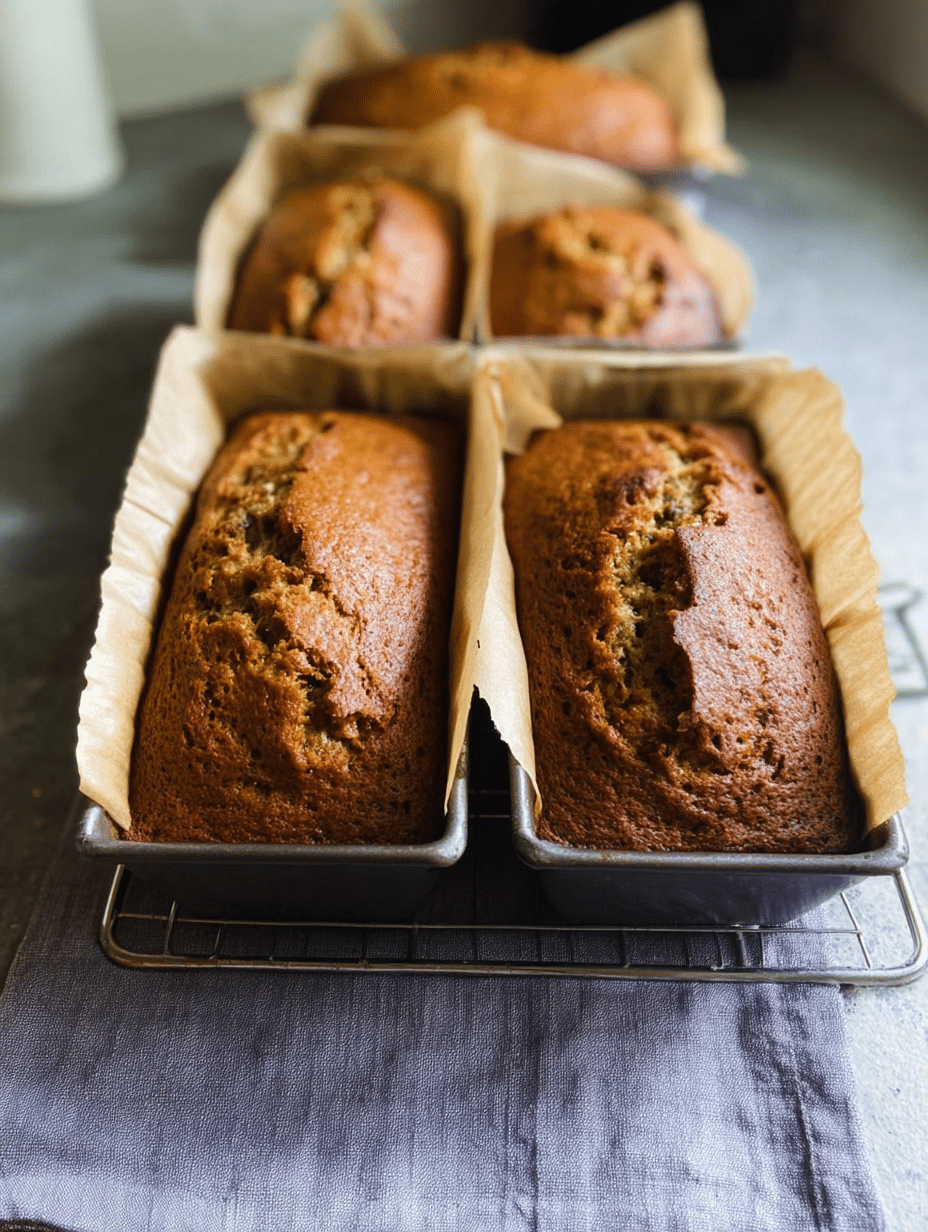
Whether you are looking for a pre-workout snack that provides sustained energy or a kid-friendly breakfast that doesn’t lead to a mid-morning sugar crash, this sourdough variation is the answer. We focus on nutrient density, utilizing the sourdough starter to help break down phytic acid, making the nutrients in the flour more bioavailable. Furthermore, for those following a keto-leaning or high-protein regimen, this base allows for seamless protein supplementation and sugar-alternative swaps, ensuring your fitness goals remain uncompromised.
How to Boost the Protein and Lower the Carbs in Sourdough Banana Bread?
Many home bakers wonder if it is possible to maintain a fluffy texture while reducing the glycemic load of traditional banana bread. The answer lies in the science of your leavening agents and protein binders. By substituting a portion of the all-purpose flour with high-quality whey or collagen protein isolate, you can significantly alter the macronutrient ratio. When choosing a protein powder, look for unflavored or vanilla profiles that use natural sweeteners like stevia or monk fruit. This ensures you avoid hidden artificial chemicals or alcohols often found in mass-market supplements.
To lower the carbohydrate count further, consider the role of the sourdough starter. Long-fermentation (letting the batter rest for 4-6 hours) allows the wild yeast to consume a portion of the sugars present in both the flour and the bananas. This “predigestion” process results in a loaf that is easier on the digestive system and lower in active sugars. Additionally, replacing brown sugar with an erythritol-based gold sweetener or monk fruit blend allows you to achieve that deep, molasses-like flavor without the insulin spike.
The Science of Sourdough Discard in Quick Breads
Sourdough is typically associated with crusty boules, but its application in quick breads is a game-changer for texture. The acidity of the sourdough starter reacts with the baking soda in this recipe, creating immediate carbon dioxide bubbles. This results in a superior lift and a more tender crumb compared to recipes that rely solely on chemical leaveners. Moreover, the lactic acid bacteria present in the starter act as a natural preservative, keeping your bread moist for days without the need for synthetic additives.
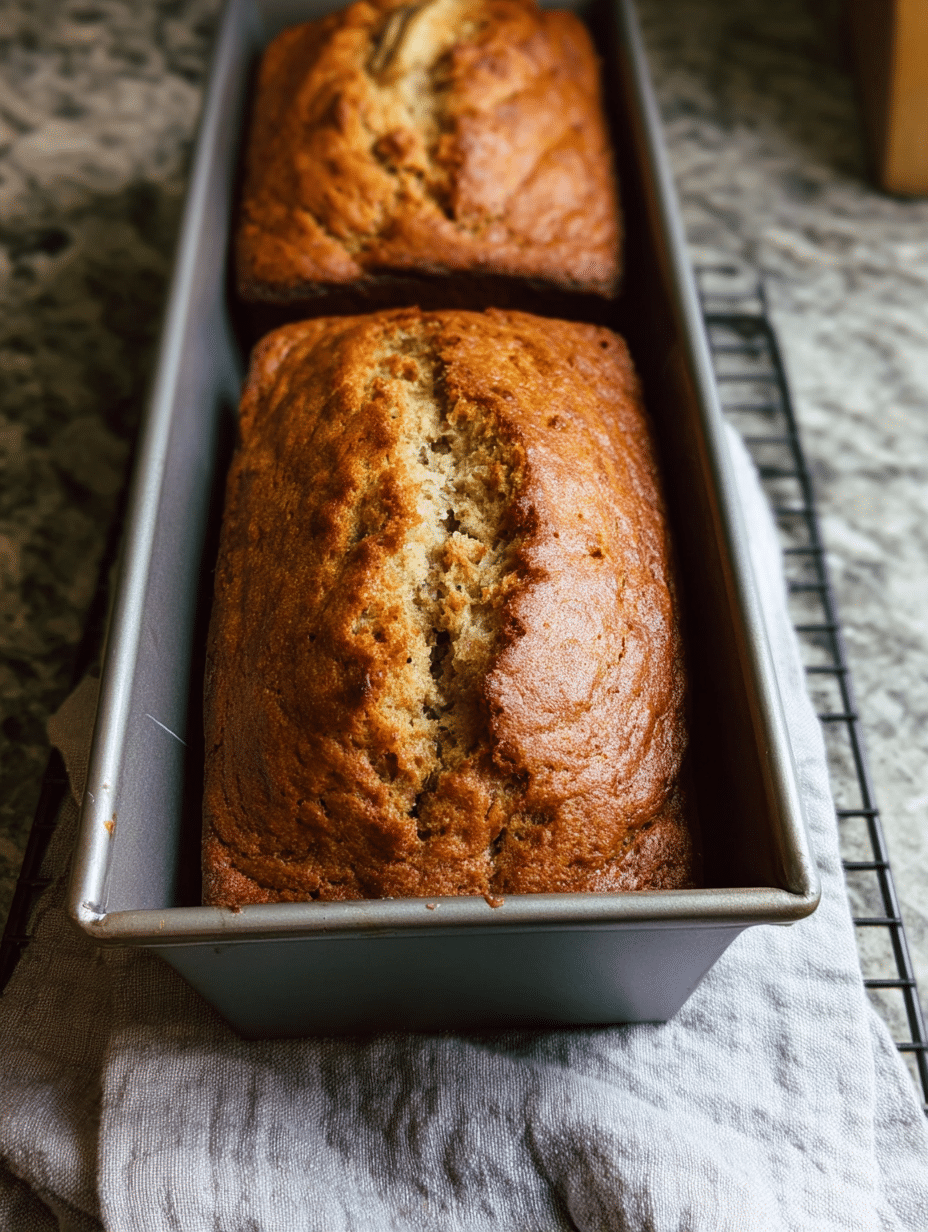
Can I Make This Keto-Friendly?
To transition this recipe into a strict keto framework, you can replace the all-purpose flour with a blend of almond flour (1.5 cups) and coconut flour (1/4 cup) alongside 2 tablespoons of psyllium husk powder to mimic the gluten structure. While bananas do contain natural sugars, using exactly 375g—no more—distributed across 12 servings keeps the net carbs per slice within a manageable range for many low-carb followers. Always opt for the most overripe, blackened bananas possible; they have the highest concentration of flavor, meaning you can use less total fruit to achieve the same aromatic impact.
Step-by-Step Educational Baking Process
The journey to the perfect loaf begins with preparation. Ensure all your cold ingredients, specifically the eggs and milk, reach room temperature before mixing. This allows the fats to emulsify properly, creating a smooth batter that won’t separate in the oven.
- Step 1: Prep the Vessel. Generously coat your 9×5 inch loaf pan with butter. This isn’t just for sticking; the milk solids in the butter undergo the Maillard reaction, providing a savory, golden crust on the exterior of your bread.
- Step 2: Mash and Cream. Mash the 375g of overripe bananas until mostly smooth. In a large bowl, whisk together the bananas, brown sugar, vanilla extract, and eggs. The friction of the whisking helps dissolve the sugar crystals into the egg proteins.
- Step 3: The Sourdough Integration. Stir in your 100g of sourdough starter and neutral oil. If your starter is active, it will add more lift; if it is discard, it will contribute more of that signature tang.
- Step 4: Dry Meets Wet. Sift the flour, baking soda, and sea salt into the wet mixture. Sifting is crucial in low-carb/high-protein baking to prevent clumps of protein or leavener. Fold gently—overmixing is the enemy of a tender loaf as it develops too much gluten.
- Step 5: Final Hydration. Slowly pour in the 60ml of milk. This adjust the viscosity of the batter, ensuring it is pourable but thick enough to support the weight of the fruit.
Recipe Variations and Health-Conscious Substitutions
For those looking to diversify their flavor profiles while remaining within our strict dietary constraints, consider these options:
- Nutty Protein Crunch: Add 1/2 cup of chopped walnuts or pecans. Nuts provide healthy fats and additional plant-based protein, which slows the absorption of glucose.
- Dairy-Free Swap: Substitute the butter for coconut oil and the milk for unsweetened almond or soy milk. To maintain the creamy serving suggestion, use a vegan cashew-based cream cheese instead of mascarpone.
- Antioxidant Boost: Fold in 1/2 cup of fresh blueberries or sugar-free dark chocolate chips (sweetened with stevia).
Pro Tip: For the ultimate high-tea experience, serve a warm slice topped with a dollop of mascarpone cheese blended with a pinch of cinnamon. This adds a sophisticated creamy element that balances the acidity of the sourdough.
Save This Healthy Favorite to Pinterest!
This Sourdough Banana Bread is a staple for the modern, health-conscious kitchen. By focusing on whole ingredients and ancient fermentation techniques, we’ve elevated a simple snack into a nutritional powerhouse. Don’t lose this recipe! Pin it to your “Healthy Breakfast” or “Sourdough Recipes” board so you always have a plan for those overripe bananas. Your gut, and your family, will thank you.
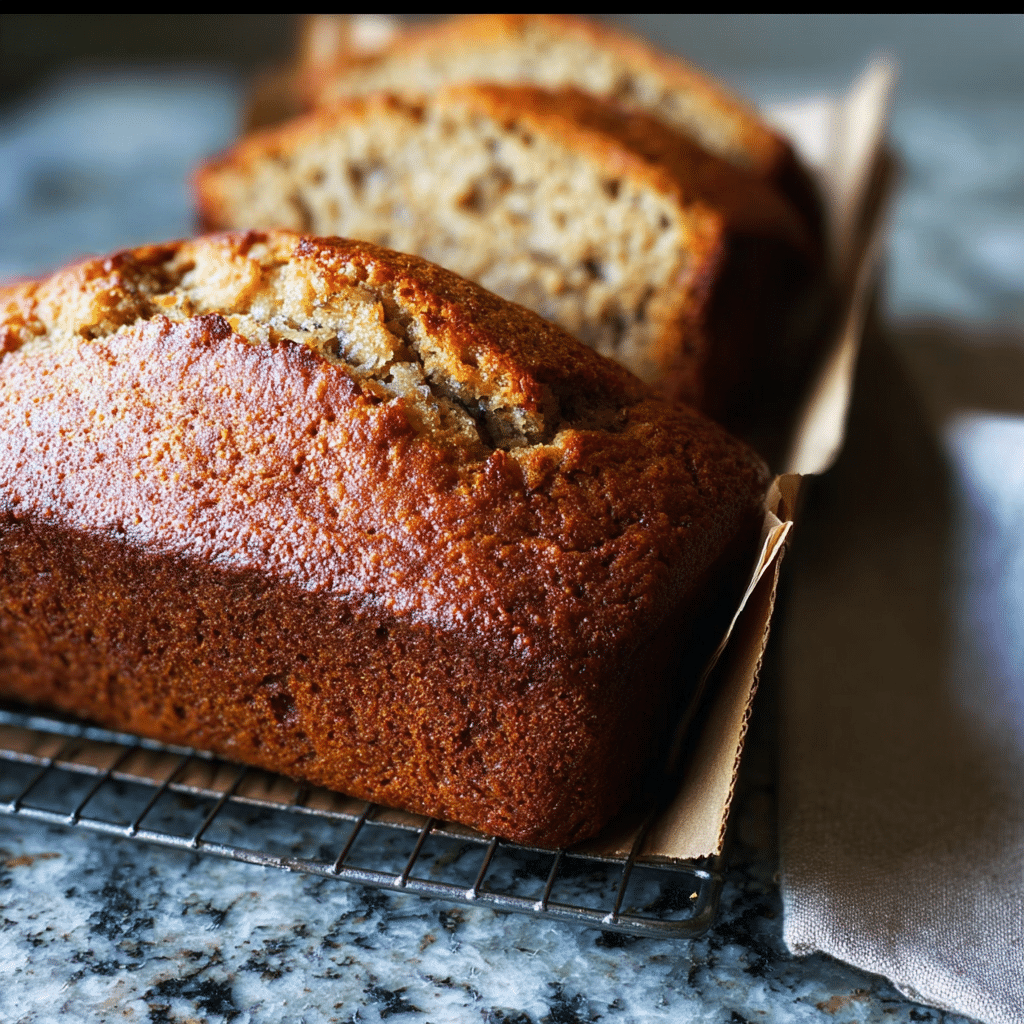
High-Protein Sourdough Banana Bread
Ingredients
Method
- Preheat oven to 350°F (175°C)
- Mash bananas in a bowl
- Mix in eggs, protein isolate, almond flour, coconut flour, applesauce, baking soda, cinnamon, salt, and erithritol
- Incorporate sourdough starter and water until smooth
- Let batter ferment at room temp for 4-6 hours
- Pour into greased loaf pan and bake 45-55 minutes
- Cool 15 minutes before slicing
Notes
For gluten-free, use brown rice or oat flour blends
Store in air-tight container for up to 5 days
Freezes well in slices