In the world of viral food trends and cozy comfort meals, few dishes capture the imagination—and the palate—quite like Korean Tteokbokki. When combined with chewy ramen noodles, it becomes ‘Rabokki,’ a legendary street food staple that balances heat, sweetness, and an irresistible chewy texture. This recipe is designed for those seeking that iconic Korean aesthetic: vibrant red sauces, perfectly bouncy rice cakes, and a nutrient-dense profile that fits into a modern, high-protein lifestyle.
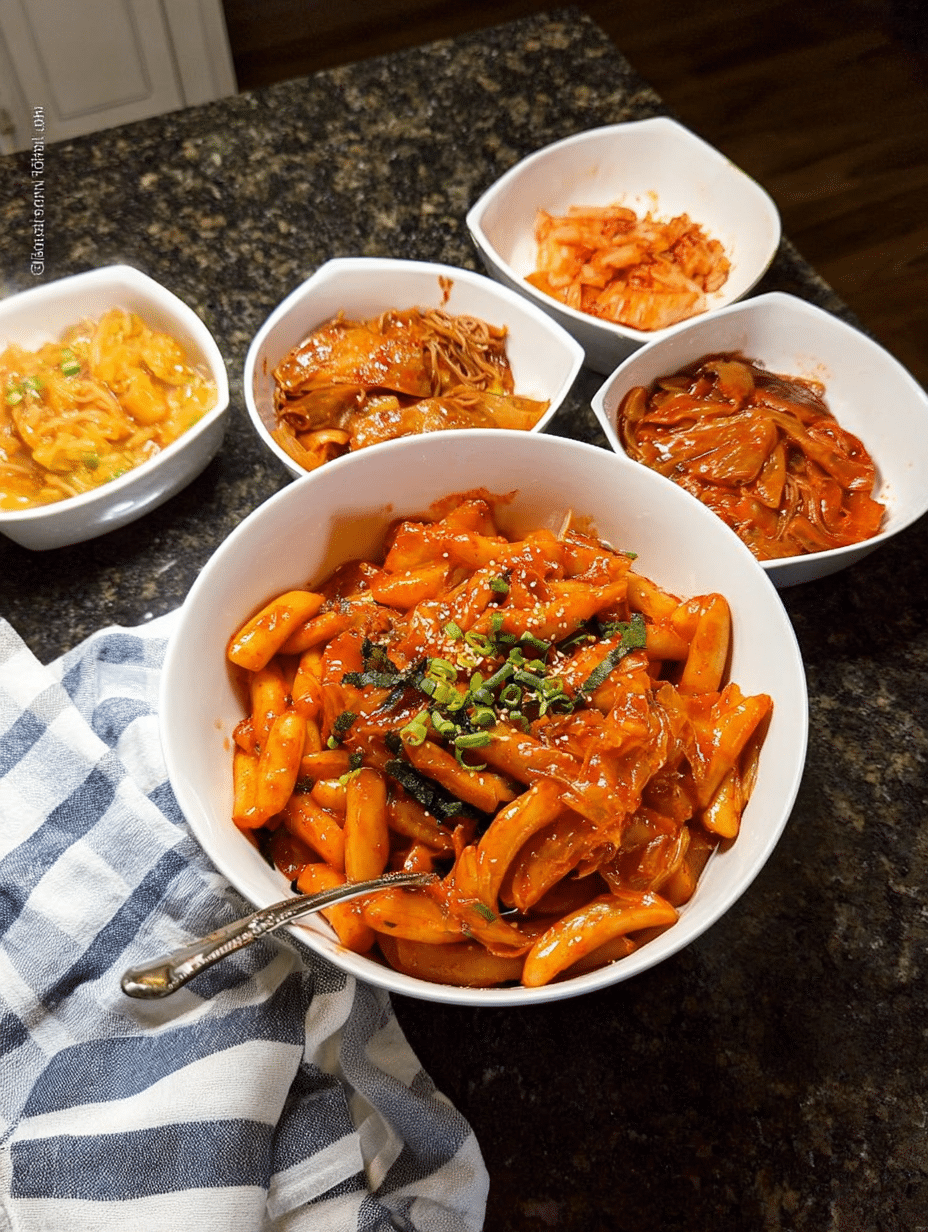
Whether you are a seasoned fan of K-Dramas or a culinary explorer looking for a quick yet impressive dinner, this guide provides the deep chemical and nutritional insights needed to master the dish. We focus on achieving that thick, syrupy sauce consistency using natural starches, high-quality proteins like beef-based fish cakes (avoiding all pork products), and a rich anchovy-kelp base that provides a mineral-rich foundation without the need for alcohol-based flavor enhancers.
People Also Ask: Common Questions for the Perfect Tteokbokki
Can I Make This High-Protein or Low-Carb?
Traditional rice cakes are carb-dense, but you can optimize this dish for fitness goals. By increasing the ratio of fish cakes (rich in lean white fish protein) and adding boiled eggs or lean beef strips, you significantly boost the amino acid profile. For a lower-carb variation, many enthusiasts now use ‘shirataki’ noodles or ‘tofu skin’ strips in place of traditional wheat ramen, which dramatically reduces the glycemic load while maintaining the spicy gochujang experience.
Is This Recipe Halal and Alcohol-Free?
Yes. Unlike many commercial recipes that suggest mirin (rice wine) for masking fishy odors, our method utilizes high-heat sautéing of garlic and the natural umami of dried kelp. We have also ensured that all protein components, including the fish cakes, are free from any pork derivatives or lard, making this a safe and inclusive option for various dietary requirements.
How Do I Get the Sauce to Stick to the Rice Cakes?
The secret lies in the starch gelatinization. As the rice cakes simmer in the gochujang-base, they release amylopectin into the sauce. By maintaining a slow simmer rather than a rolling boil, you allow the sauce to reduce and emulsify with the rice starch, creating that ‘aesthetic’ glossy coating that characterizes professional-grade Tteokbokki.
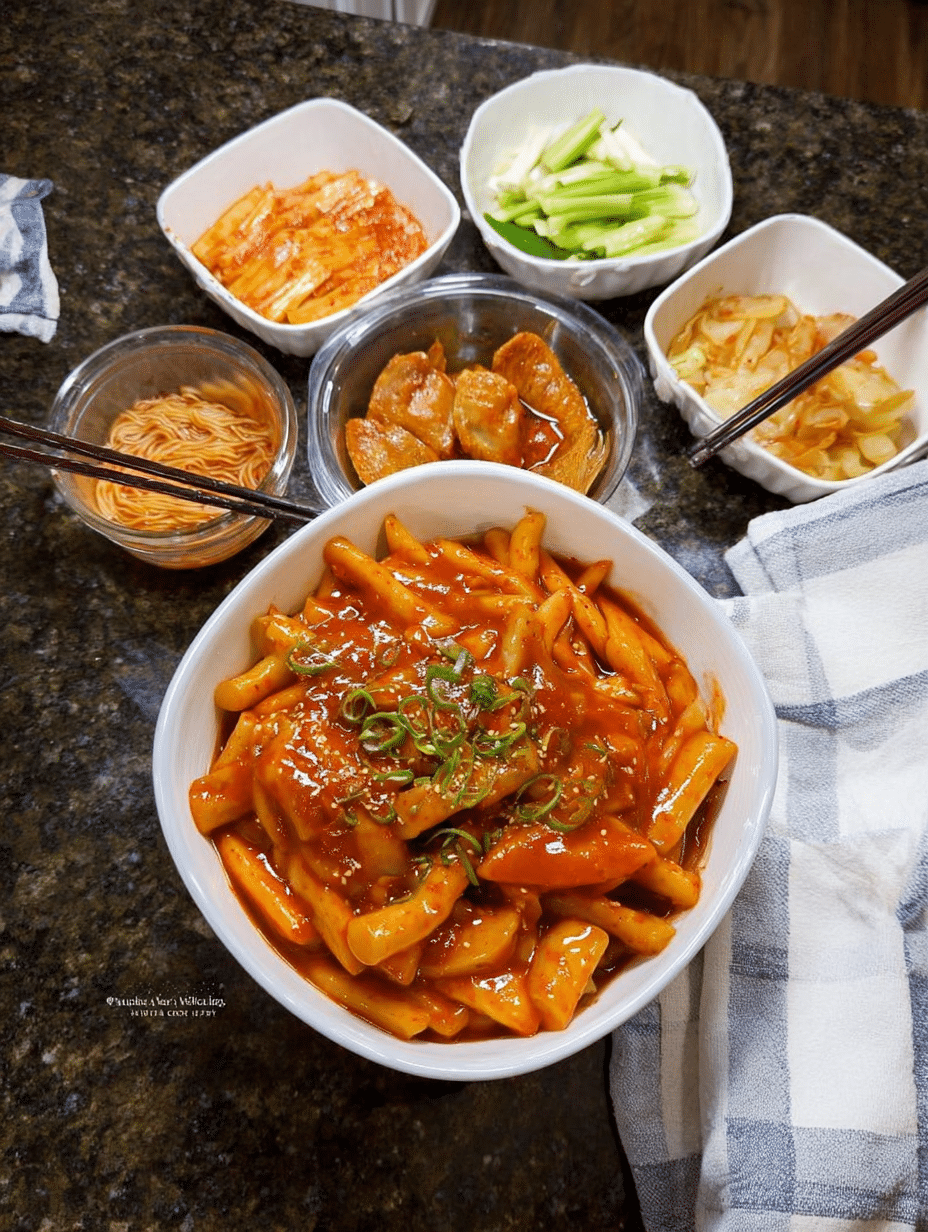
Ingredient Functionality and Educational Depth (E-E-A-T)
Understanding your ingredients is the key to culinary mastery. This isn’t just a list; it’s a breakdown of how these components interact to create the perfect bite.
- Korean Rice Cakes (Garae-tteok): These are made from steamed rice flour that has been pounded into a dense, chewy cylinder. From a science perspective, the ‘chew’ comes from the alignment of starch molecules during the pounding process. For the best texture, always soak dried cakes in room temperature water to rehydrate the outer layer before cooking.
- Gochujang (Korean Chili Paste): A fermented powerhouse. Because it is fermented with koji, it provides a complex ‘umami’ that simple chili flakes cannot replicate. It acts as both a flavoring agent and a thickener.
- Korean Soup Stock (Anchovy & Kelp): This is the ‘Dashi’ of Korea. The dried kelp (Kombu) provides glutamic acid, while the dried anchovies provide inosinic acid. Together, they create a synergistic umami effect that makes the sauce taste deeply savory without needing artificial MSG or alcohol-based seasonings.
- Fish Cakes (Eomuk): Ensure you select high-quality fish cakes made from surimi (minced fish). These add a necessary salty contrast to the sweet sauce and contribute essential omega-3 fatty acids and protein.
Detailed Step-by-Step Cooking Process
Follow these steps to ensure your dish looks as good as it tastes. Visualizing the process helps in achieving the right consistency at every stage.
- Stock Preparation: Begin by simmering your dried kelp and anchovies in 2 cups of water for 15 minutes. Remove the solids. This clear, golden liquid is your flavor foundation.
- Sauce Emulsification: In a separate bowl, whisk the gochujang, sugar, soy sauce, garlic, and gochugaru. By mixing these first, you ensure the chili paste dissolves evenly into the stock without clumping.
- The Simmer: Bring the stock to a boil, then whisk in the sauce base. Add the sliced onions and the rinsed rice cakes. The onions provide a natural sweetness (allyl sulfides turning into sugars) that balances the heat.
- Protein Integration: Once the rice cakes begin to soften (usually after 3-5 minutes), add the fish cakes and your ramen noodles. The noodles will soak up the excess liquid, turning it into a thick glaze.
- The Finish: Turn off the heat just before the sauce looks ‘done.’ It will continue to thicken as it cools slightly. Drizzle with sesame oil for a glossy, photo-ready finish.
Variations and Substitutions
If you want to experiment, keep these high-protein and pork-free variations in mind:
- The Protein Powerhouse: Add 100g of thinly sliced ribeye beef or turkey strips. Sauté them briefly before adding the stock to infuse the sauce with meaty fats.
- Vegetarian Umami: Replace the anchovy stock with a concentrated dried shiitake mushroom broth. The mushrooms provide a similar level of glutamate for that savory punch.
- Creamy ‘Rosé’ Tteokbokki: Add a splash of heavy cream or unsweetened almond milk at the very end. This viral variation mellows the spice and creates a luxurious, orange-hued sauce that is incredibly popular on social media.
Love this recipe? Don’t forget to save it to your Korean Recipes or Easy Dinner Ideas board on Pinterest! Tag us in your recreations—we love seeing your aesthetic plating and hearing how you customized your spicy gochujang noodles. Rating this recipe 5 stars helps our community grow and allows us to keep providing high-quality, pork-free, and alcohol-free culinary guides.
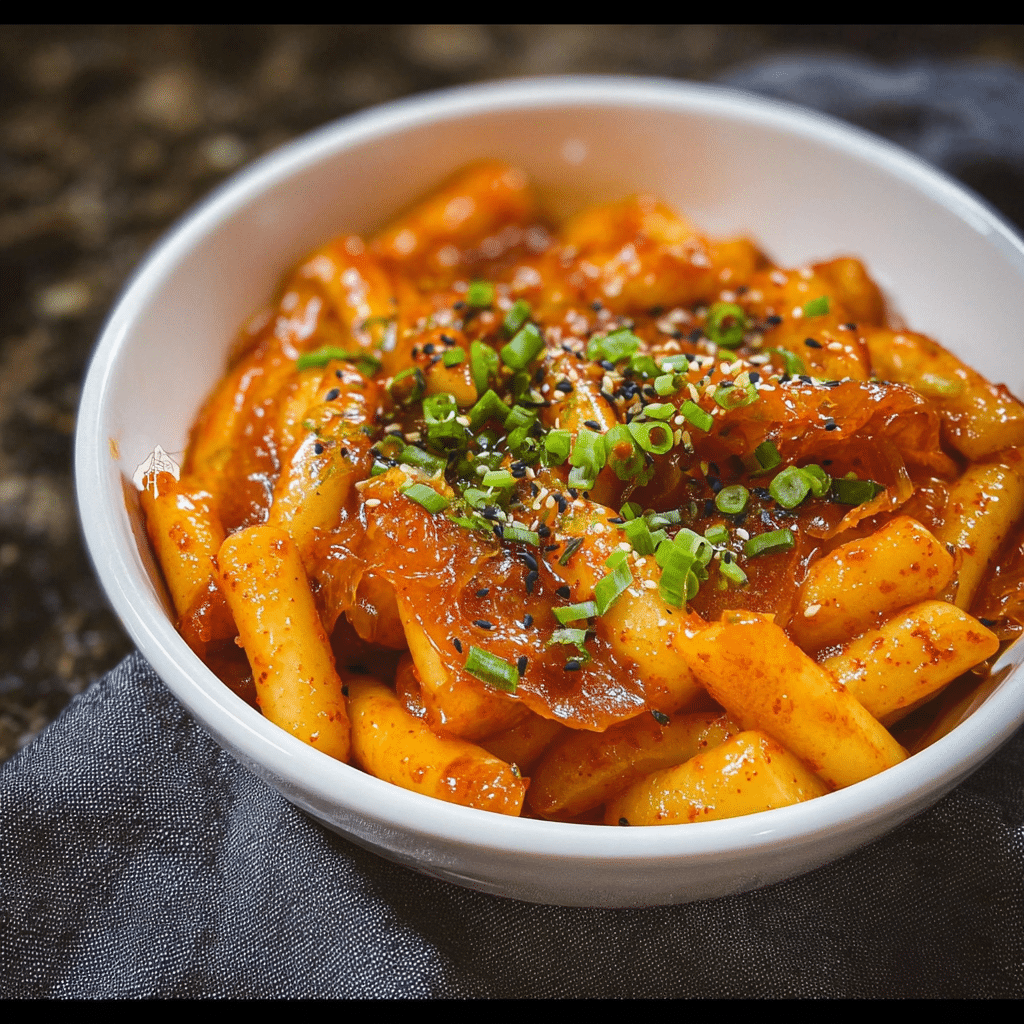
Korean Aesthetic Tteokbokki and Ramen – Spicy Gochujang Rice Cakes & Noodles
Ingredients
Method
- In a pot, sauté garlic and kelp anchovy stock over medium heat until fragrant
- Add gochujang and gochugaru, whisk until well combined
- Simmer sauce until thick and glossy (15-20 minutes)
- Add rice cakes, wooden eggplant (or jicama), and fish cakes to the pot
- Cook gently for 5-7 minutes until ingredients are coated in sauce and tender
- Stir in ramen noodles and reduce heat to low
- Allow noodles to soften and absorb sauce (5-10 minutes)
- Top with scrambled egg (if using), sesame oil, and garnish with green onions or cilantro
Notes
Avoid rolling boil to allow starch to emulsify properly
Substitute ramen with shirataki noodles or tofu skin for low-carb
Nutritional values may vary with halal-certified substitutions
Serves best fresh but can be stored in an airtight container for 2-3 days