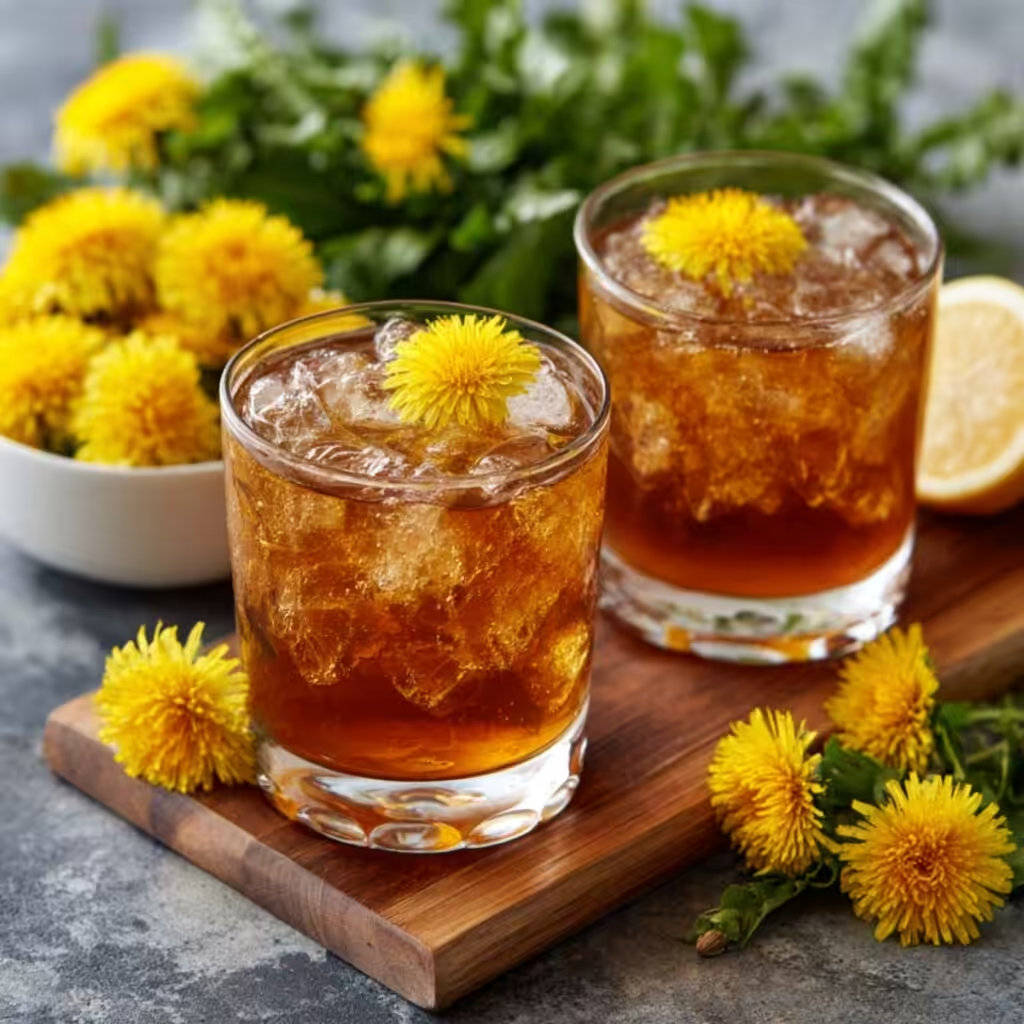
If you have ever sipped a sparkling, floral, lightly sweet soda and wondered how to capture that magic at home, let me introduce you to the world of wild fermentation. As a culinary fermentation enthusiast and recipe developer, I have spent years experimenting with traditional methods of capturing wild yeasts and transforming garden ingredients into effervescent delights. This naturally fermented dandelion soda recipe is one of my absolute favorites—a celebration of spring in a bottle, brimming with delicate floral notes, a gentle fizz, and the gut‑friendly benefits of live probiotics.
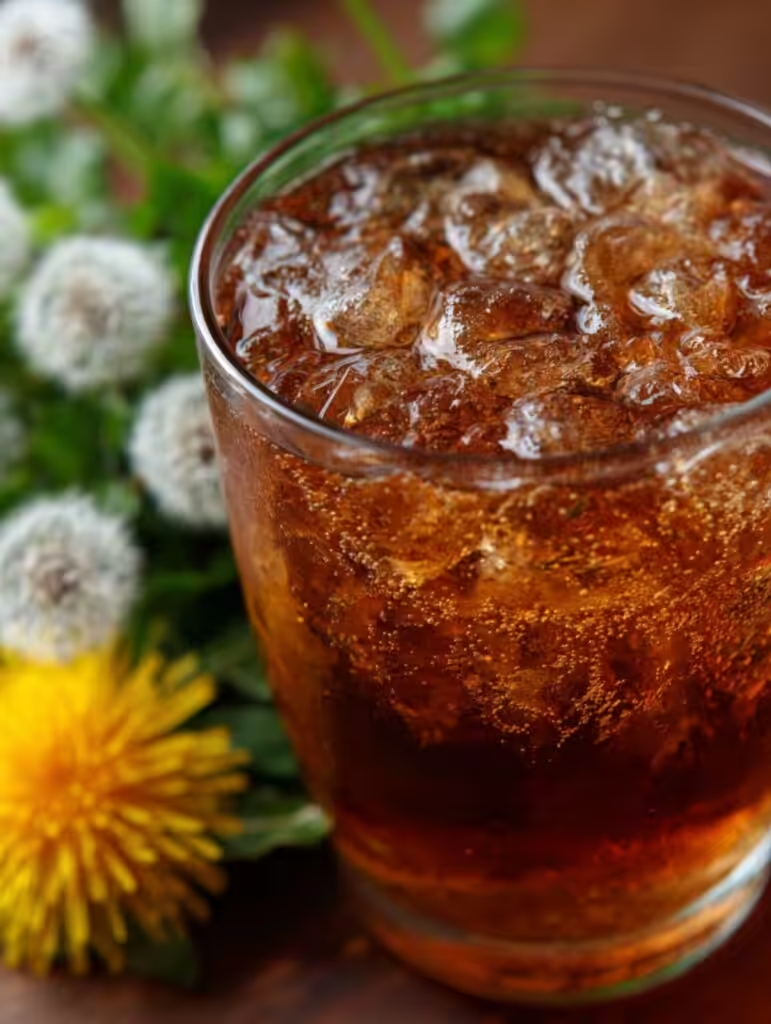
Made with bright yellow dandelion flowers and a simple ginger bug starter, this soda is entirely non‑alcoholic when fermented properly, making it a wholesome, refreshing drink for the whole family. It’s the perfect project for foragers, home brewers, or anyone looking to explore the art of natural fermentation. The process is surprisingly easy, and the result is a beautiful, golden‑hued soda that tastes like sunshine in a glass.
In this guide, I’ll walk you through every step—from ethically harvesting dandelion flowers to nurturing a ginger bug and bottling your soda for the perfect fizz. You’ll learn the science behind the fermentation, discover delicious variations, and gain the confidence to create your own probiotic spring drink at home.
Why This Dandelion Soda Works
Unlike sodas laden with refined sugar and artificial ingredients, this naturally fermented version relies on the power of wild yeasts and beneficial bacteria to create carbonation and a complex, nuanced flavor. The two key components are:
- Dandelion Flowers: When infused, the petals lend a surprising honey‑like sweetness and a subtle floral aroma. They contain natural yeasts on their surface, which contribute to the fermentation.
- Ginger Bug: A ginger bug is a simple culture of wild yeast and bacteria made from fresh ginger, sugar, and water. It acts as a reliable starter, ensuring consistent carbonation and a lively probiotic profile without the need for commercial yeast.
By fermenting at room temperature, the microorganisms consume the sugar and produce carbon dioxide (the bubbles) along with lactic acid, which gives the soda a pleasant, slightly tangy finish. The result is a drink that is naturally effervescent, lower in sugar than commercial sodas, and packed with beneficial enzymes.
Selecting and Preparing Dandelion Flowers
The quality of your soda begins with the flowers. Harvest dandelion blossoms on a dry, sunny day, ideally in the morning after the dew has evaporated. Look for fully opened, bright yellow flowers from areas that have not been treated with pesticides or herbicides. Avoid flowers growing near roadsides or dog‑walking paths.
Preparation:
- Gently shake the flowers to remove any insects.
- Rinse them briefly in cool water, then spread them on a clean towel to dry. You want the petals to be free of excess moisture but not completely desiccated.
- Remove the green sepals (the bitter green base of each flower) by pinching them off. This step is crucial—the green parts can add unwanted bitterness. You’ll be left with just the bright yellow petals.
Making a Ginger Bug (Your Natural Starter)
If you don’t already have a ginger bug, it’s easy to create one. This recipe assumes you have an active, bubbly ginger bug ready. Here’s a quick refresher:
- In a clean jar, combine 2 tablespoons of finely chopped organic ginger (skin on), 2 tablespoons of sugar (organic cane or turbinado), and 2 cups of filtered water.
- Stir well, cover loosely with a cloth or lid, and let sit at room temperature. Feed it daily with 1 tablespoon each of chopped ginger and sugar.
- Within 3–7 days, you’ll see bubbles forming, and the mixture will smell yeasty and slightly sour. Your ginger bug is now ready to use.
For this dandelion soda, you’ll need about ½ cup of the liquid from your active ginger bug (the “bug juice”)—no need to include the ginger pieces.
Naturally Fermented Dandelion Soda Recipe
This recipe yields a lightly sweet, floral, and effervescent soda that captures the essence of spring. It’s a flexible process—feel free to adjust the sweetness or add complementary flavors.
Ingredients
For the Dandelion Infusion:
- 2 cups fresh dandelion petals (from about 40–50 flowers)
- 4 cups filtered water
- ¾ cup organic cane sugar (or coconut sugar for a lower glycemic option)
- 1 lemon, thinly sliced (optional, for brightness)
- ½ cup active ginger bug liquid (strained)
For Bottling (optional):
- Additional sugar for priming (1 teaspoon per bottle, if needed)
- Fresh lemon slices, ginger slices, or herbs for garnish
Instructions
1. Prepare the Dandelion Infusion:
In a medium saucepan, combine the filtered water and sugar. Bring to a gentle simmer, stirring until the sugar dissolves completely. Remove from heat. Add the dandelion petals and lemon slices (if using). Cover and let steep for 1–2 hours at room temperature. This allows the delicate flavors to infuse without boiling the petals, which can turn them bitter.
2. Strain and Cool:
Strain the infusion through a fine‑mesh sieve or cheesecloth into a clean glass jar or bowl, pressing gently to extract all the liquid. Discard the petals. Allow the liquid to cool to room temperature—if it’s too warm, it can harm the beneficial microbes in the ginger bug.
3. Add the Ginger Bug:
Pour the cooled dandelion infusion into a clean half‑gallon glass jar or a fermentation vessel. Stir in the ½ cup of active ginger bug liquid. Cover the jar with a clean cloth or a loose‑fitting lid to keep out dust while allowing gases to escape.
4. First Fermentation (2–3 days):
Place the jar in a warm spot away from direct sunlight (ideally 68–75°F). Let it ferment for 2–3 days. You’ll begin to see bubbles forming on the surface and a slight yeasty aroma developing. Taste it after 2 days—it should be noticeably fizzy and pleasantly tangy, with a balanced sweetness.
5. Bottle for Carbonation:
Once the soda is active, it’s time to transfer it to flip‑top fermentation bottles (or any pressure‑safe bottles). If you want extra fizz, you can add a pinch of sugar (about ½ teaspoon per 16‑ounce bottle) as a primer. Fill the bottles, leaving about an inch of headspace, and seal tightly.
6. Second Fermentation (1–2 days):
Allow the sealed bottles to sit at room temperature for another 1–2 days to build carbonation. Check one bottle by carefully opening it; if it releases a satisfying hiss and shows good fizz, it’s ready. Refrigerate to stop fermentation and enjoy within 2–3 weeks.
Recipe Variations & Substitutions
One of the joys of homemade soda is experimenting with flavors. Here are several variations to inspire your creativity.
1. Lemon‑Ginger Dandelion Soda
Add 1 tablespoon of freshly grated ginger to the infusion along with the lemon slices. The ginger complements the floral notes and adds a gentle warmth. You can also drop a few thin slices of fresh ginger into the bottles before the second fermentation.
2. Berry Dandelion Soda
Add 1 cup of fresh or frozen berries (strawberries, raspberries, or blueberries) to the infusion while it steeps. Strain them out before adding the ginger bug. The berries add a beautiful pink hue and a fruity depth.
3. Herbal Dandelion Soda
Include a handful of fresh mint leaves, lemon balm, or lavender buds during the steeping phase. These herbs pair beautifully with dandelion and lend a refreshing, aromatic quality.
4. Lower‑Sugar Option
Reduce the sugar to ½ cup for a less sweet soda. The fermentation will still work, though the final drink will be drier and more tart. You can also substitute coconut sugar or a portion of honey (add honey after the infusion has cooled to preserve its enzymes).
5. Sparkling Dandelion Mocktail
For an elegant non‑alcoholic mocktail, pour the finished soda over ice and garnish with a sprig of mint and a thin lemon wheel. Add a splash of sparkling water if you prefer a lighter fizz.
Expert Tips for Perfectly Fizzy Soda
- Use Clean Equipment: Sterilize all jars, bottles, and utensils to prevent unwanted mold or off‑flavors. A quick rinse with boiling water works well.
- Watch for Over‑Carbonation: Fermentation continues in the sealed bottles. If you leave them at room temperature too long, they can become overly pressurized. Refrigerate once the desired fizz is reached.
- Taste Daily: The flavor evolves quickly. Trust your palate—when it tastes bright, lightly sweet, and effervescent, it’s ready.
- If It’s Not Bubbly: If your soda isn’t carbonated after 3–4 days, your ginger bug may not have been active enough. Try feeding your bug for another day or two, then add more active liquid to the batch and give it more time.
The Probiotic Power of Fermented Sodas
Unlike conventional sodas, naturally fermented drinks contain live probiotics—beneficial bacteria that support gut health and digestion. The ginger bug contributes a diverse population of lactic acid bacteria and wild yeasts. While the exact strains vary with your environment, regular consumption of homemade fermented beverages can help balance the gut microbiome. Because this soda is non‑alcoholic (fermentation yields only trace amounts of alcohol, well below 0.5% ABV when properly managed), it’s a safe and nourishing choice for all ages.
Frequently Asked Questions
Do I need a ginger bug to make this?
Yes, a ginger bug is the most reliable way to ensure consistent carbonation and a clean ferment. You can also use water kefir grains, but the ginger bug is simple to maintain and gives a lovely flavor.
Can I use dandelion roots instead of flowers?
Absolutely. Roasted dandelion root makes a deeper, coffee‑like soda, while the flowers give a delicate floral profile. For a root‑based version, use ½ cup of chopped, fresh (or dried) roots and simmer them in the water for 15 minutes before adding sugar and steeping.
How long does the soda last?
Once refrigerated, the soda will stay fizzy and flavorful for 2–3 weeks. Over time, it may become more tart as fermentation continues slowly in the cold.
Is this soda safe for children?
Yes, when fermented properly, this soda contains negligible alcohol and is safe for children. It’s a wonderful way to introduce them to probiotic‑rich foods.
Beyond the Soda: Creative Uses
This dandelion soda isn’t just for drinking. Use it as a base for:
- Fruit popsicles: Pour into molds with fresh berries and freeze.
- Salad dressing: Reduce it on the stove until syrupy, then whisk with olive oil and mustard.
- Mocktail mixer: Combine with fresh juice or herbal tea for complex, non‑alcoholic cocktails.
A Toast to Spring
Making your own naturally fermented dandelion soda is a rewarding way to celebrate the season and connect with traditional foodcraft. The process is forgiving, the results are delicious, and each batch carries the unique signature of your kitchen’s microbiome. I hope this recipe inspires you to look at the dandelions in your yard with newfound appreciation and to share the fizz with family and friends.
I’d love to hear how your soda turns out! Drop a comment below with your favorite variation or any questions. If you enjoyed this recipe, please give it a 5‑star rating and share it with someone who loves homemade drinks. For more fermented creations and foraged recipes, explore our probiotic drink collection and spring foraging guide.
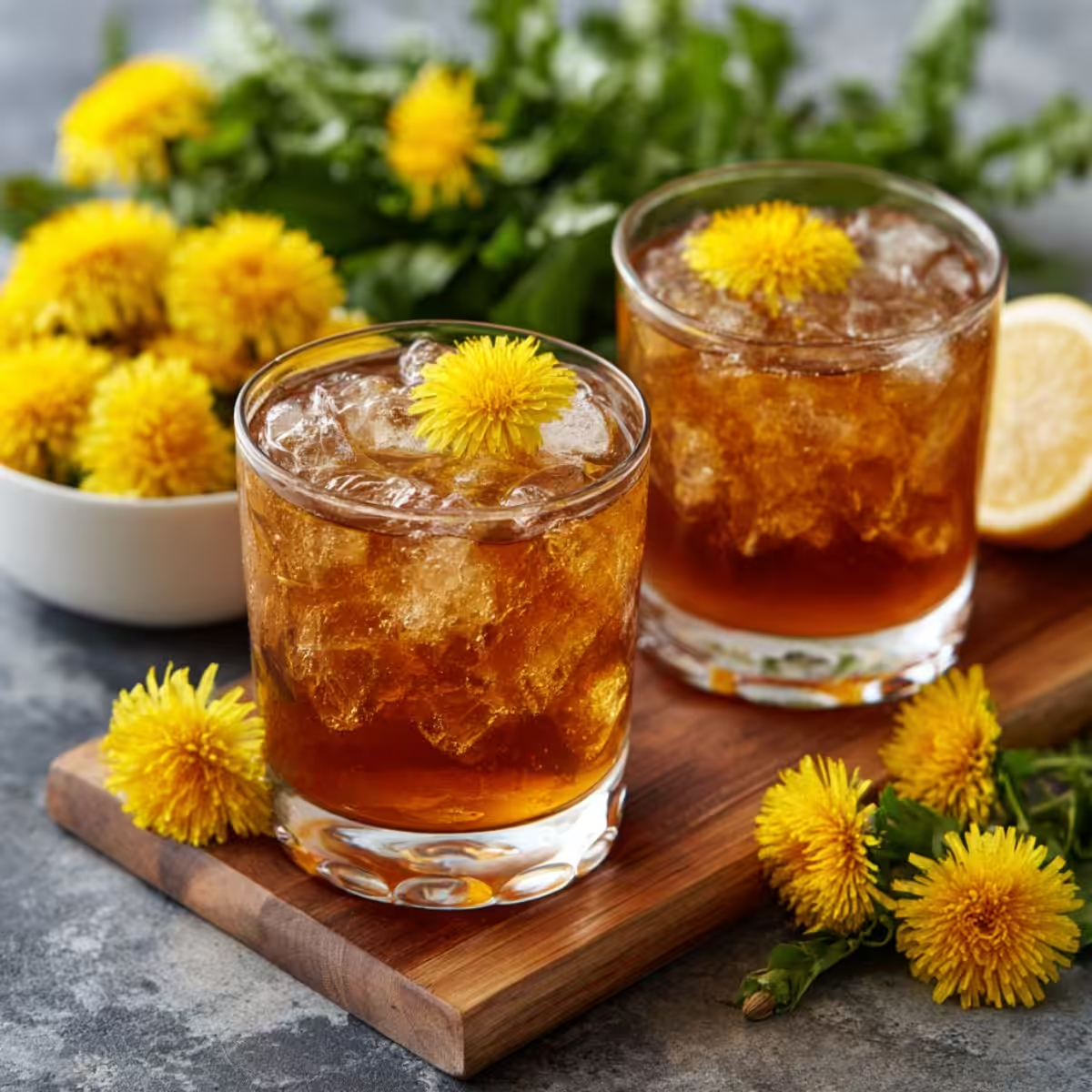

Naturally Fermented Dandelion Soda
Ingredients
Equipment
Method
- In a saucepan, combine water and sugar. Bring to a gentle simmer, stirring until sugar dissolves. Remove from heat. Add dandelion petals and lemon slices (if using). Cover and steep for 1–2 hours.
- Strain the infusion through a fine‑mesh sieve into a clean jar or bowl, discarding solids. Allow to cool completely to room temperature.
- Pour the cooled infusion into a clean half‑gallon glass jar. Stir in the active ginger bug liquid. Cover with a cloth or loose lid.
- Let ferment at room temperature (68–75°F) for 2–3 days. You should see bubbles and a slight yeasty aroma. Taste; it should be lightly sweet and fizzy.
- Transfer the soda to flip‑top fermentation bottles, adding a pinch of sugar per bottle for extra fizz if desired. Leave 1 inch of headspace. Seal tightly.
- Let bottles sit at room temperature for 1–2 days to build carbonation. Check by carefully opening one bottle. When fizz is achieved, refrigerate and enjoy within 2–3 weeks.