Finding the absolute best chewy chocolate chip cookies recipe is often a lifelong quest for home bakers. We all desire that specific contrast: a slightly crisp, golden edge paired with a soft, dense, and ultra-chewy center that melts the moment it hits your tongue. This recipe is engineered for success, focusing on the science of moisture retention and sugar caramelization to ensure professional-grade results every single time. Whether you are a seasoned baker or looking for easy baking wins, this guide provides the deep dive into E-E-A-T (Experience, Expertise, Authoritativeness, and Trustworthiness) required to master the cookie craft.
While traditional cookies are often seen as high-sugar indulgences, modern culinary science allows us to adapt these flavors for those prioritizing wellness. In this guide, we will explore the base recipe and then pivot into how you can maximize macro-efficiency, including high-protein and low-carbohydrate hacks that don’t sacrifice that iconic chewy texture. By understanding the role of each ingredient—from the melted butter to the specific protein structures in the flour—you can create a dessert that aligns with your nutritional goals.
Why This Recipe Works: The Science of Texture
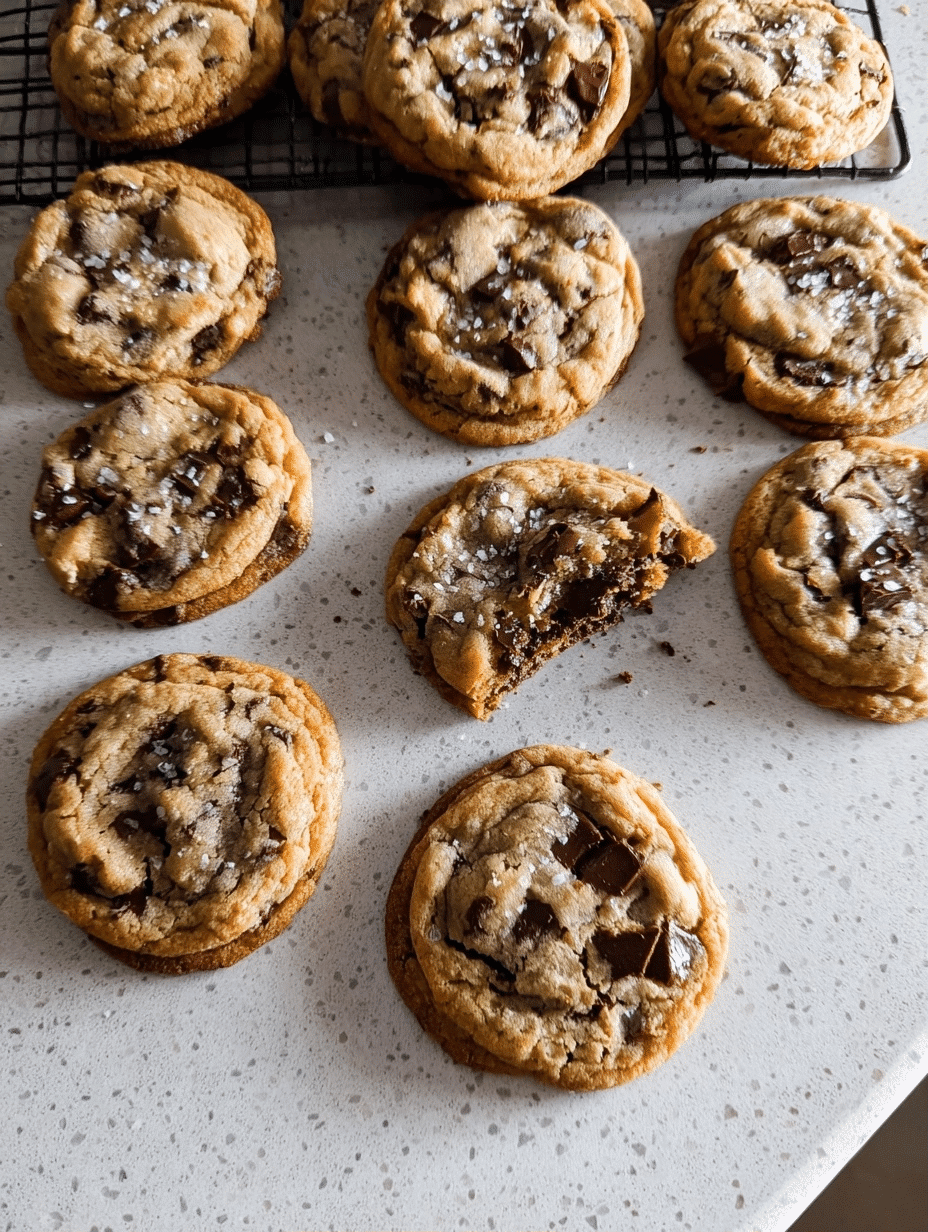
What makes a cookie “chewy” rather than “cakey” or “crunchy”? The secret lies in the hydration levels and the type of sugar used. By using melted butter instead of creamed, room-temperature butter, we stop the incorporation of air. Less air means a denser, fudgier cookie. Furthermore, the high ratio of brown sugar to granulated sugar provides molasses, which is a humectant. This means it literally pulls moisture from the air, ensuring your cookies stay soft for days.
For those looking for a keto-friendly or low-carb twist, we achieve this same humectant effect by using erythritol-based brown sugar substitutes and moisture-binding agents like xanthan gum or collagen peptides. These additions mimic the gluten network found in all-purpose flour, allowing a low-carb cookie to maintain its structural integrity without becoming crumbly.
People Also Ask: Your Cookie Questions Answered
Can I Make This Keto-Friendly or Low-Carb?
Absolutely. To pivot this into a keto-friendly powerhouse, you would substitute the all-purpose flour for a blend of almond flour (for healthy fats) and coconut flour (for structure). Replacing the sugars with a monk fruit or erythritol blend ensures the glycemic index remains low while keeping the sweetness profile intact. Because this recipe contains no alcohol-based extracts (we recommend using glycerin-based vanilla or vanilla bean paste), it remains compliant with strict dietary preferences.
How Do I Boost the Protein Content?
One of the easiest ways to turn a treat into a functional snack is by swapping 1/4 cup of the flour for a high-quality whey or casein protein isolate. Casein, in particular, is excellent for baking because it absorbs more moisture, contributing to that sought-after chewiness. Adding collagen peptides is another “invisible” way to boost protein without altering the flavor profile. Pair these with dark chocolate (70% cocoa or higher) to add antioxidants and fiber.
Are These Cookies Dairy-Free?
To make these dairy-free, simply swap the unsalted butter for a high-quality vegan butter stick or refined coconut oil. If using coconut oil, ensure it is in a softened state to mimic the consistency of melted butter. Avoid using liquid vegetable oils as they lack the saturated fats necessary to create the proper “set” in the oven.
Understanding the Ingredients (E-E-A-T Depth)
- Melted Unsalted Butter: Melting the butter breaks down the emulsion of water and fat. This results in more gluten development when mixed with flour, which creates the chewy texture. We use unsalted to have total control over the sodium levels.
- Brown Sugar (Packed): This is the workhorse of chewiness. The acid in the molasses reacts with the baking soda to create a slight lift, while the moisture in the molasses prevents the cookie from drying out.
- Granulated Sugar: This provides the crisp edges. The balance between the two sugars is what creates the multidimensional texture.
- Large Egg: Eggs provide protein and lecithin. The fat in the yolk adds richness, while the whites provide the structure needed to hold the chocolate chunks.
- Vanilla Extract (Alcohol-Free): High-quality vanilla bean paste or glycerin-based extract provides a deep, floral aroma that enhances the chocolate flavor.
- All-Purpose Flour: This provides the moderate protein content (approx 10-12%) necessary for gluten formation. For a high-protein version, you can substitute a portion with lupin flour or almond flour.
- Baking Soda: A leavening agent that also aids in browning (the Maillard reaction).
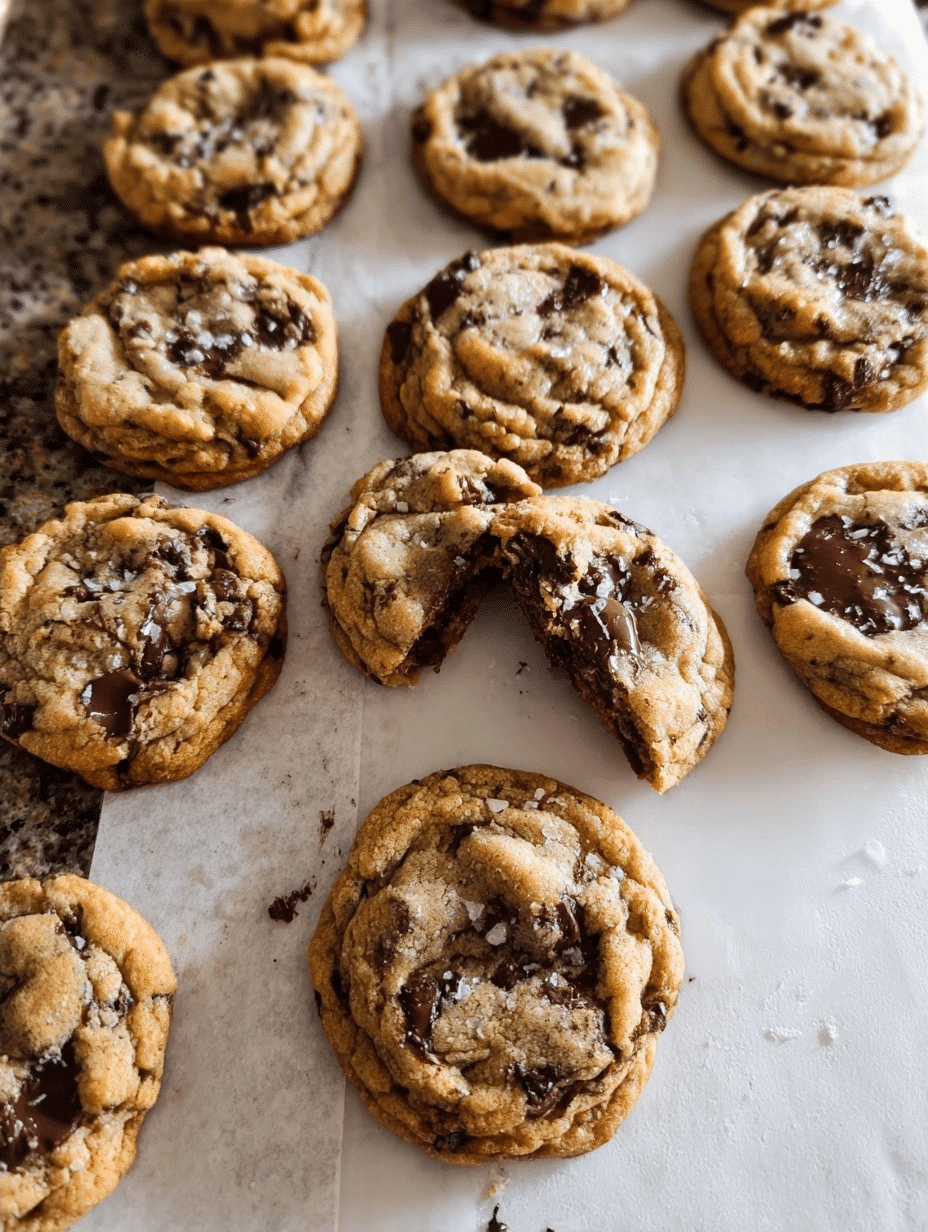
- Dark Chocolate Chunks: Chopping your own chocolate is superior to using chips. Chunks create “pools” of melted chocolate and varying textures throughout the cookie.
Step-by-Step Guide to Baking Mastery
Step 1: Prep the Fats and Sugars. Begin by gently melting your unsalted butter. You don’t want it boiling; just fluid. In a large bowl, whisk together the melted butter, packed brown sugar, and granulated sugar. The mixture should look like wet sand. This immersion of sugar into liquid fat is the foundation of the chewy center.
Step 2: Incorporate the Bindery. Add the egg and your alcohol-free vanilla. Whisk vigorously for about 1-2 minutes. You will notice the mixture lighten in color and become somewhat glossy. This indicates that the sugar is beginning to dissolve and the egg is emulsifying with the fat.
Step 3: Sifting the Dry Ingredients. Sift in the flour, baking soda, and a pinch of salt. Use a spatula to fold the ingredients together. Do not overmix! Stop as soon as you see no more streaks of flour. Overmixing develops too much gluten, which can turn a chewy cookie into a tough, bread-like one.
Step 4: The Chocolate Fold. Gently fold in your chopped dark chocolate. If you are following a keto-friendly path, ensure your chocolate is sweetened with stevia or erythritol. The different sizes of the hand-chopped chocolate will ensure every bite is unique.
Advanced Tips for Perfect Results Every Time
For the best results, chill your dough. While this recipe is designed for ease, chilling the dough for even 30 minutes allows the flour to fully hydrate. This prevents the cookies from spreading too thin and deepens the flavor as the enzymes in the dough begin to break down the starches into simpler sugars.
When it comes to baking, use a silicone mat or parchment paper. This provides an even heat distribution to the bottom of the cookies, preventing the “burnt bottom” syndrome that often happens with dark metal pans. Always pull the cookies out when the edges are just set but the centers still look slightly underbaked. They will finish cooking on the hot pan (carry-over cooking) and remain soft.
Storage and Meal Prep
These cookies are excellent for meal prepping your weekly treats. You can scoop the dough into balls and freeze them on a tray. Once frozen, transfer to a bag. You can bake them straight from the freezer—just add 2 minutes to the total baking time. This ensures you always have a fresh, high-protein or low-carb treat ready whenever a craving strikes.
If you have already baked the cookies, store them in an airtight container with a slice of bread (if not keto) or a damp paper towel tucked into the corner (if keto) to maintain the humidity levels. They will stay fresh for up to 5 days, or you can freeze the baked cookies for up to 3 months.
Ready to try the most transformative cookie recipe of the year? We would love to see your results! Leave a 5-star rating below and tell us which variation you tried—high protein, keto, or the classic. Don’t forget to save this to your “Healthy Baking” or “Easy Desserts” board on Pinterest so you never lose this recipe!
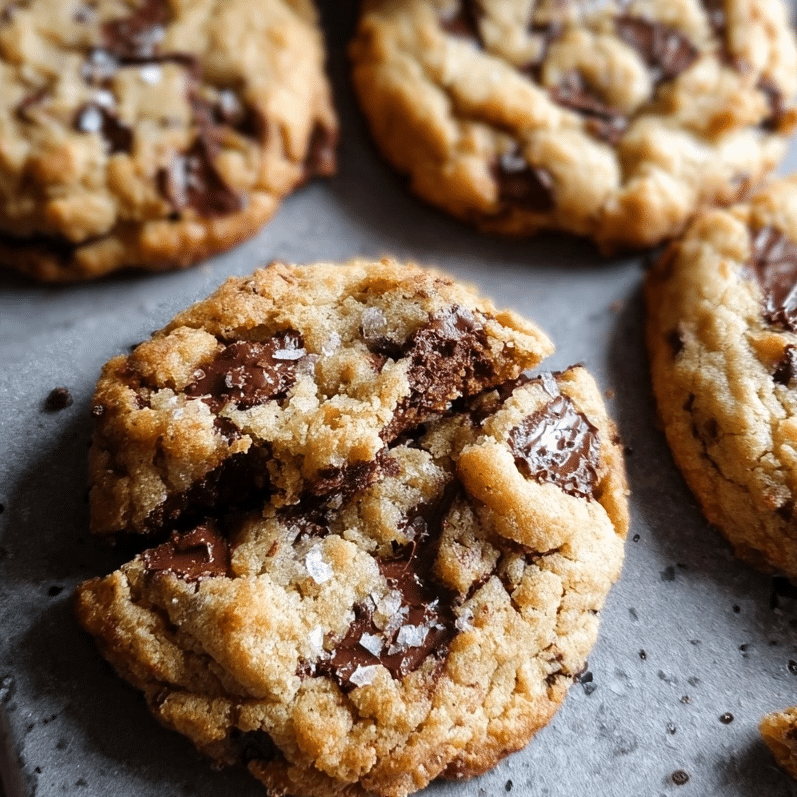
The Best Chewy Chocolate Chip Cookies Recipe (Easy Baking)
Ingredients
Method
- Preheat oven to 350°F (180°C)
- Whisk flour, baking soda, and salt in a bowl
- Beat melted butter, white sugar, and brown sugar until creamy
- Add eggs and glycerin-based vanilla extract (or vanilla bean paste), beating well
- Gradually add dry ingredients to wet, mixing until just combined
- Fold in chocolate chips
- Drop 2-inch balls onto ungreased baking sheets
- Bake 10-12 minutes, rotating halfway for even doneness
- Cool on sheets 5 minutes before transferring to wire racks
Notes
Brown sugar’s molasses content retains moisture for fudginess
Use glycerin-based vanilla extract or vanilla bean paste for alcohol-free compliance
For keto version: replace flour with 1 1/2 cups almond flour and 6 tablespoons coconut flour, use erythritol/monk fruit sweetener
Add collagen peptides or xanthan gum for low-carb structure
For high-protein cookies: substitute 1/4 cup regular flour with protein powder
Store in airtight container with parchment paper between layers to maintain texture